
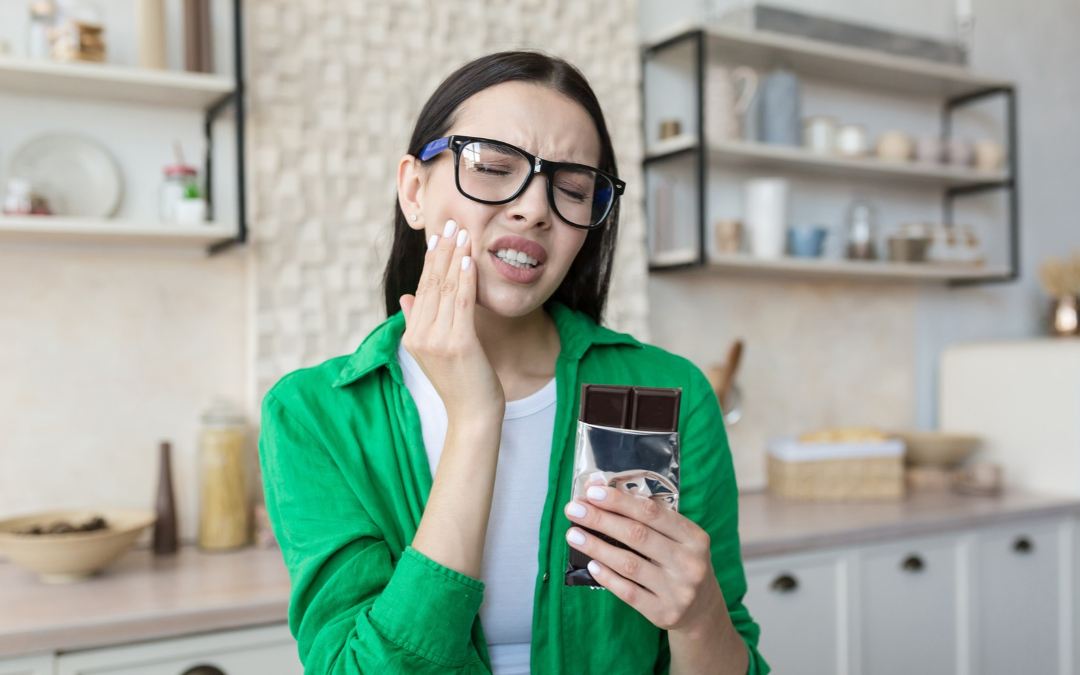
A root canal is designed to relieve tooth pain by removing infected or damaged tissue from inside the tooth. For many people, completing the procedure brings a sense of relief. However, recovery does not always mean the treated tooth feels normal immediately. You might notice tenderness, pressure, or even a sharp sensation when biting down. This can be confusing, especially when the treatment was supposed to eliminate the source of your discomfort.
The good news is that some soreness after a root canal is a normal part of recovery. Although the dentist removes the inflamed pulp from inside the tooth, the surrounding ligaments, bone, and gum tissues still need time to heal. These structures support the tooth, so they may remain sensitive when you chew, speak, or put pressure on the area.
Patients receiving root canal therapy in Phoenix may experience different levels of post-treatment sensitivity depending on the condition of the tooth before the procedure. A tooth with a significant infection or inflammation may need additional time to recover. Understanding the possible reasons behind this discomfort can help you recognize what is normal and when you should seek further dental care.
Why Does a Tooth Hurt When You Bite After a Root Canal?
Biting discomfort can develop for several reasons. Sometimes, the cause is simply temporary inflammation, while other situations may require a small adjustment or additional treatment. Here are some common explanations.
Inflammation Around the Treated Tooth
During a root canal, your dentist cleans and shapes the narrow canals inside the tooth. Although the procedure addresses the infection within the tooth, the surrounding tissues can become irritated during treatment.
The periodontal ligament, which connects the tooth to the surrounding bone, may become inflamed. As a result, the treated tooth can feel tender when you apply pressure while eating. Even gentle chewing may create a sensation similar to pressing on a bruise.
This discomfort generally improves as the inflammation settles. However, pain that becomes stronger instead of gradually decreasing deserves attention.
A Filling That Sits Too High
Sometimes, the cause of biting pain has less to do with healing and more to do with how your teeth come together. If a temporary filling or permanent restoration sits slightly higher than the surrounding teeth, the treated tooth may receive excessive pressure whenever you close your mouth.
You might notice that the tooth touches first when you bite or feels uncomfortable even when chewing soft foods. This problem can often be corrected with a minor bite adjustment.
If your bite feels different after treatment, let your dentist know rather than trying to adjust your chewing habits permanently.
Infection That Has Not Completely Resolved
Root canal treatment removes infected pulp and helps eliminate bacteria from inside the tooth. However, some infections can be difficult to manage, particularly when the tooth has complicated canal anatomy.
In certain cases, bacteria may remain in areas that are difficult to clean. A persistent infection can cause continued inflammation, tenderness, or pressure around the treated tooth.
You may also experience swelling, an unpleasant taste, or discomfort that does not improve. Your dental provider can examine the area and determine whether additional treatment is necessary.
A Crack or Fracture in the Tooth
A tooth that needs root canal treatment may already have significant structural damage. Deep decay, previous dental procedures, or long-term pressure from grinding can weaken its structure.
If the tooth has a crack, biting down may cause the damaged sections to move slightly against each other. This can produce a sharp, uncomfortable sensation, particularly when releasing your bite.
A dental examination can help identify possible fractures. Depending on the extent of the damage, your dentist may recommend a protective crown or another appropriate treatment.
Pressure From Clenching or Grinding
You may unknowingly clench your teeth during the day or grind them while sleeping. These habits place repeated pressure on your teeth and the surrounding supporting tissues.
After a root canal, the treated area may already be sensitive. Additional pressure from grinding can make the soreness more noticeable and slow your recovery.
If you regularly wake up with jaw discomfort or notice flattened tooth surfaces, discuss these symptoms with your dentist. A custom night guard may help protect your teeth from excessive pressure.
How Can You Reduce Discomfort While Your Tooth Heals?
Although some tenderness is unavoidable during recovery, a few simple changes can make the healing period more comfortable.
Choose Foods That Require Less Chewing
Give the treated tooth a break by choosing foods that are easy to chew. Yogurt, scrambled eggs, oatmeal, mashed potatoes, soups, and soft-cooked vegetables are suitable options.
Avoid hard candies, nuts, ice, sticky snacks, and crunchy foods that could place unnecessary pressure on the tooth. Try chewing on the opposite side until your dentist confirms that the treated tooth is ready for normal use.
Follow Your Dentist’s Pain Management Instructions
Your dental provider may recommend an over-the-counter pain reliever, such as ibuprofen or acetaminophen, depending on your medical history and individual needs.
Follow the recommended dosage and instructions. If you have existing medical conditions, take other medications, or are unsure which option is appropriate, check with your healthcare provider before taking anything.
Apply a Cold Compress
If you experience mild swelling or soreness, placing a cold compress against the outside of your cheek may help.
Apply it for approximately 15–20 minutes at a time, with a cloth between the cold pack and your skin. Avoid applying ice directly to your gums or teeth.
Maintain Your Regular Oral Hygiene Routine
Keeping your mouth clean is important during recovery. Brush twice daily using a soft-bristled toothbrush and floss carefully around the treated area.
Be gentle, especially if the surrounding gums feel tender. Consistent oral hygiene helps limit bacterial buildup and supports overall dental health.
Avoid Putting Unnecessary Pressure on the Tooth
Even if the pain starts to improve, avoid testing the tooth repeatedly by biting down hard. If your dentist has recommended waiting before chewing on that side, follow those instructions.
A tooth that has undergone root canal treatment may also need a permanent crown or another restoration to protect it from fractures. Ask your dentist when you should complete this next step.
When Should You Visit Your Dentist?
Mild tenderness after a root canal usually decreases as the surrounding tissues heal. However, certain symptoms may indicate that something needs further attention.
Consider contacting your dental provider if you experience:
- Pain that continues without improvement or becomes increasingly severe.
- Significant swelling around the gums, jaw, or face.
- A tooth that feels unusually high when you close your mouth.
- Persistent throbbing or pressure around the treated area.
- A recurring unpleasant taste or drainage near the tooth.
- A fever or other signs of infection.
Facial swelling accompanied by difficulty swallowing or breathing requires immediate emergency medical attention.
If biting discomfort continues, a Phoenix dentist can examine the treated tooth, check your bite, and use dental imaging when necessary to identify the underlying problem. Early evaluation can help prevent minor concerns from developing into more complicated issues.
What to Expect During the Healing Process
Recovery after a root canal varies from person to person. Some patients experience only slight tenderness, while others notice discomfort for several days, particularly if the tooth had a serious infection before treatment.
During the first few days, the surrounding tissues may feel sensitive when pressure is applied. Gradually, this discomfort should become less noticeable. Most patients can return to their usual eating habits once their dentist confirms that the tooth has healed sufficiently and has received the necessary final restoration.
Remember that the absence of pain does not always mean the tooth is fully protected. Following your dentist’s recommendations for a permanent filling or crown is an important part of maintaining the treatment results.
Final Thoughts
Biting pain after a root canal does not automatically mean something went wrong. In many cases, the discomfort comes from temporary inflammation in the tissues surrounding the treated tooth. However, an uneven bite, lingering infection, or hidden crack can also contribute to the problem.
Pay attention to how your symptoms change during recovery. Follow your aftercare instructions, avoid putting excessive pressure on the treated tooth, and do not ignore discomfort that persists or becomes worse. With proper follow-up care and the right restoration, you can protect your natural tooth and get back to eating comfortably.
If you are experiencing pain when biting after a root canal or have concerns about your recovery, schedule an appointment with Thomas Dental in Phoenix, AZ, today.
Frequently Asked Questions
Is it normal to experience sharp pain when biting after a root canal?
Some tenderness is normal because the tissues surrounding the treated tooth may remain inflamed. However, sharp or intense pain, especially if it persists or worsens, should be evaluated by your dentist.
How long should a tooth hurt when chewing after a root canal?
Many patients notice improvement within a few days, although mild sensitivity can sometimes last longer. If discomfort does not gradually decrease within a week or becomes more severe, arrange a dental evaluation.
Can a high filling cause pain after root canal treatment?
Yes. A filling that sits slightly above your natural bite can put extra pressure on the treated tooth. Your dentist can check your bite and make adjustments if necessary.
Should I avoid chewing on the treated tooth?
Yes, it is generally best to avoid chewing directly on the treated tooth until your dentist says it is safe. This is particularly important if you have a temporary filling or still need a permanent crown.
Does biting pain mean my root canal treatment failed?
Not necessarily. Temporary inflammation, bite problems, and surrounding tissue irritation can all cause discomfort. However, persistent pain may indicate an underlying issue that requires further examination.
Can I brush my teeth after a root canal?
Yes. You should continue brushing and flossing to maintain good oral hygiene. Use a soft-bristled toothbrush and clean around the treated tooth gently to avoid irritating sensitive tissues.
Will I need a crown after root canal treatment?
Many teeth benefit from a dental crown after root canal treatment, particularly back teeth that experience substantial chewing pressure. A crown helps protect the remaining tooth structure and reduces the risk of fractures. Your dentist can determine the most appropriate restoration for your situation.