
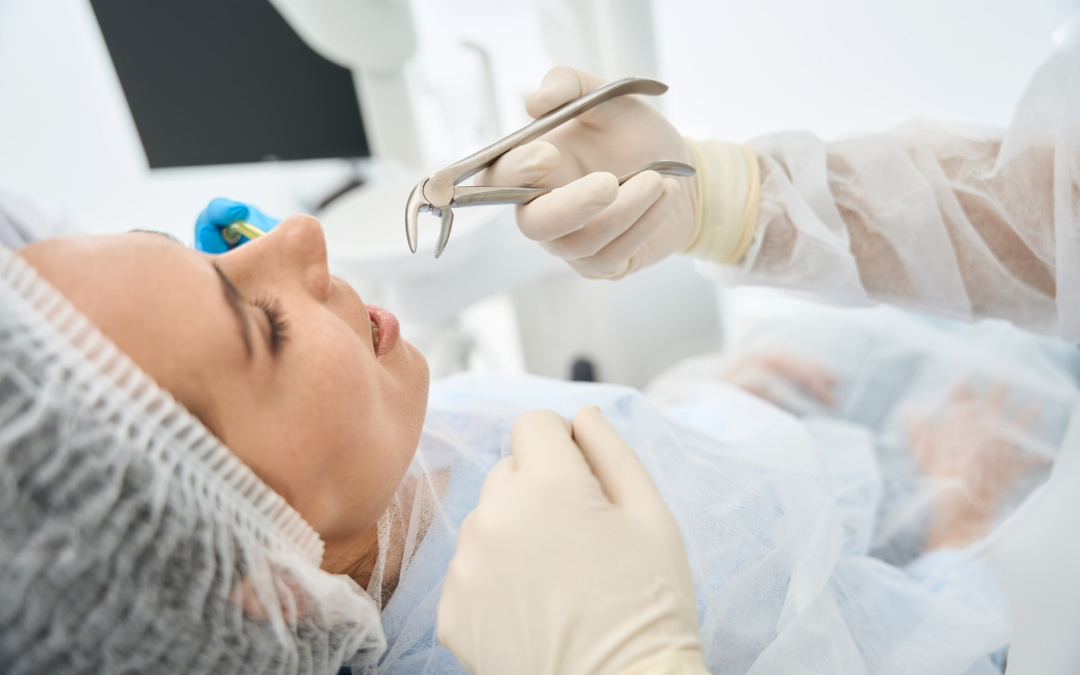
Wisdom teeth removal is a common dental procedure, but many people have questions about how it might affect their appearance. One concern that comes up frequently is whether removing these back teeth can make the face look slimmer, change the jawline, or alter the natural shape of the cheeks. If you’re considering the procedure, it’s understandable to want to know what changes you can expect.
Wisdom teeth, also called third molars, are the final teeth to develop in the mouth. They usually begin emerging during the late teenage years or early adulthood. While some people have enough room for these teeth to grow normally, others experience crowding, discomfort, or complications because their jaws cannot accommodate the additional teeth.
The good news is that wisdom teeth extraction generally does not cause permanent changes to your facial structure. However, impacted teeth, surrounding inflammation, and the healing process can temporarily affect how your face looks. Understanding these effects can help you make an informed decision about treatment. If you are considering oral surgery Phoenix residents can benefit from a professional evaluation to determine whether removing your wisdom teeth is necessary.
What Makes Wisdom Teeth Different From Other Teeth?
Wisdom teeth are positioned at the very back of your upper and lower jaws. Since they develop later than the other permanent teeth, there may not be enough space for them to emerge properly.
Some wisdom teeth grow straight and become fully visible. Others remain trapped beneath the gums or jawbone, a condition known as impaction. Partially erupted wisdom teeth can also create small spaces where food particles and bacteria collect, making the surrounding gums difficult to clean.
Depending on their position, wisdom teeth may contribute to several dental problems, including:
- Pain or tenderness near the back of the mouth
- Swollen or irritated gums
- Repeated infections around partially erupted teeth
- Damage to neighboring molars
- Difficulty opening the mouth comfortably
- Cysts or other complications around impacted teeth
Not everyone develops these problems. Some people retain their wisdom teeth throughout adulthood without experiencing any significant complications.
Can Wisdom Teeth Affect Your Natural Facial Appearance?
Wisdom teeth do not typically determine the overall shape of your face. Your facial appearance is influenced by several factors, including genetics, jawbone structure, muscle development, and the distribution of soft tissue.
However, complications involving wisdom teeth can sometimes make your face appear different temporarily.
For example, inflammation around an impacted tooth may cause swelling near the jaw or cheek. An infection can make one side of the face look noticeably fuller than the other. These changes are generally related to the surrounding tissues rather than an actual alteration in the underlying facial structure.
A dental professional can examine the affected area and determine whether the change in appearance is associated with wisdom teeth or another condition.
Does Removing Wisdom Teeth Make Your Face Slimmer?
One common misconception is that removing wisdom teeth automatically creates a slimmer face or a more defined jawline. This isn’t generally how the procedure works.
Wisdom teeth sit toward the back of the jaw and do not provide the main structural support responsible for your cheeks or overall facial shape. Removing them does not normally reduce the width of your jawbone or change your natural facial proportions.
Some people notice that their cheeks look less puffy after extraction. This may happen because inflammation associated with problematic wisdom teeth has subsided. However, it should not be confused with permanent facial slimming.
If your goal is to change your jawline or cheek shape, wisdom teeth extraction is not considered a cosmetic facial contouring procedure.
Why Might Your Face Look Different After Wisdom Teeth Removal?
Although extraction does not usually change facial structure permanently, you may notice temporary differences while recovering. Several factors can influence your appearance during this period.
Swelling Around the Cheeks and Jaw
Swelling is a normal response to oral surgery. The tissues surrounding the extraction sites may become inflamed as your body begins the healing process.
You might notice fuller cheeks, a slightly rounded jawline, or mild facial asymmetry. Swelling often becomes most noticeable during the first two to three days before gradually decreasing.
Changes in Jaw Muscle Comfort
Before extraction, impacted wisdom teeth may cause discomfort that makes chewing or opening your mouth difficult. After treatment, the surrounding muscles may feel sore or tight for a short period.
As the surgical area heals and muscle tension decreases, normal jaw movement generally becomes more comfortable.
Temporary Changes in Eating Habits
Following extraction, you will likely need to eat softer foods for a while. Your usual chewing routine may change during recovery, but this temporary adjustment does not normally produce a lasting difference in facial appearance.
Healing of the Surgical Area
Your gums and surrounding tissues need time to recover after the procedure. As swelling decreases and the extraction sites heal, your face should gradually return to its usual appearance.
When Is Wisdom Teeth Extraction Necessary?
Not everyone needs their wisdom teeth removed. If these teeth are healthy, fully erupted, properly positioned, and easy to clean, your dentist may recommend monitoring them during regular checkups.
However, extraction may be appropriate when wisdom teeth create existing or potential oral health concerns.
Common reasons include:
- Impacted teeth: A wisdom tooth remains trapped beneath the gum or bone and cannot emerge normally.
- Repeated gum infections: Partially erupted teeth can create areas where bacteria accumulate.
- Damage to nearby molars: Improperly positioned wisdom teeth may contribute to decay or damage to neighboring teeth.
- Cysts or other abnormalities: Certain impacted teeth can develop associated cysts or other pathological changes.
- Persistent discomfort: Repeated pain or inflammation may indicate that the tooth needs treatment.
A dental examination and appropriate imaging help determine the position of your wisdom teeth and whether removal offers more benefits than continued monitoring.
What Should You Expect During Recovery?
Recovery after wisdom teeth extraction varies from person to person. The number of teeth removed, their position, and the complexity of the procedure can all influence healing time.
During the first few days, some swelling, tenderness, and mild bruising are common. Your dentist or oral surgeon may recommend ice packs, prescribed or approved pain medication, and a soft-food diet to help manage discomfort.
Here are a few practical ways to support recovery:
- Choose foods such as yogurt, mashed potatoes, scrambled eggs, and soft pasta.
- Drink plenty of water, but avoid using straws during the initial healing period.
- Follow your provider’s instructions for brushing and rinsing.
- Avoid smoking and tobacco products while healing.
- Take a break from strenuous exercise for the recommended period.
- Attend any follow-up visits suggested by your dental professional.
Most patients feel significantly better within one to two weeks, although deeper tissues and bone may take longer to heal completely.
If you experience worsening swelling, fever, persistent bleeding, severe pain, or difficulty swallowing or breathing, seek prompt medical attention. Difficulty breathing or swallowing requires emergency care.
How Can You Keep Your Wisdom Teeth From Causing Bigger Problems?
You cannot always prevent wisdom tooth impaction because jaw size and tooth development are largely influenced by genetics. However, regular dental care can help identify potential complications before they become more serious.
If you’re looking for a dentist in Phoenix, routine dental examinations can help you keep track of wisdom tooth development and identify concerns that may require further evaluation.
Your dentist may recommend panoramic X-rays to assess how the teeth are positioned beneath the gums. These images can reveal whether a tooth is impacted, growing at an unusual angle, or affecting a neighboring molar.
Early assessment also gives you an opportunity to discuss the advantages and disadvantages of removal rather than waiting until pain or infection develops.
Protect Your Oral Health With the Right Dental Care
Wisdom teeth extraction is not a treatment for changing your facial shape, nor does it typically make your face permanently slimmer. Its primary purpose is to address problems such as impaction, recurring infection, and damage to nearby teeth. Although temporary swelling may affect your appearance during recovery, your facial structure generally returns to its usual state as healing progresses.
If your wisdom teeth are causing discomfort or you have concerns about how they may affect your oral health, a professional evaluation can help you understand your options.
Schedule an appointment with Thomas Dental in Phoenix, AZ, to discuss your wisdom teeth concerns and determine whether an evaluation or treatment is right for you.
Frequently Asked Questions
Will my face become slimmer after wisdom teeth removal?
Not usually. Removing wisdom teeth does not typically reduce jawbone width or permanently change facial proportions. Any slimmer appearance after treatment may be related to the resolution of swelling or inflammation.
Can wisdom teeth make my cheeks look bigger?
Yes, indirectly. Impacted or infected wisdom teeth can cause inflammation in the surrounding tissues, making one or both cheeks appear swollen. This fullness generally improves once the underlying problem is treated.
How long does facial swelling last after wisdom teeth extraction?
Swelling commonly reaches its highest level within 48 to 72 hours after surgery and then gradually decreases. Many patients notice significant improvement within a week, although recovery varies depending on the complexity of the extraction.
Can removing wisdom teeth change my jawline?
Wisdom teeth extraction does not generally alter the underlying shape or width of your jawbone. The procedure removes the teeth and addresses related complications rather than reshaping the jaw.
Does everyone need their wisdom teeth removed?
No. Healthy wisdom teeth that have erupted properly, function normally, and can be cleaned effectively may not need extraction. Your dentist can monitor them during routine examinations.
Can impacted wisdom teeth cause facial swelling?
Yes. Inflammation or infection around an impacted wisdom tooth can lead to swelling in the gums, cheeks, or jaw. Significant or worsening swelling should be evaluated promptly.
When can I return to normal activities after wisdom teeth removal?
Many people resume light daily activities within a few days. More demanding physical activities may need to wait longer, depending on the procedure and your recovery. Follow your oral surgeon’s recommendations.