
If you have worn dentures for years, you may know the small frustrations that come with them. They might slip while you eat, feel uncomfortable after a few hours, or make you think twice before smiling in photos. Over time, these everyday inconveniences can leave you wondering whether a more stable option is available.
The good news is that dental implants after dentures are often possible. Even if you have relied on full or partial dentures for a long time, you may still qualify for implant treatment. Your eligibility depends on factors such as jawbone health, gum condition, medical history, and the type of restoration you need.
For people considering a change, dental implants can offer a different way to replace missing teeth. Understanding your options can help you decide whether switching from removable dentures to an implant-supported solution makes sense for your lifestyle.
At Thomas Dental, patients exploring dental implants in Phoenix can discuss their concerns, current dentures, and potential treatment options during a dental evaluation. The first step is understanding what your mouth needs rather than assuming that years of denture use have ruled out implants.
Can You Get Dental Implants After Dentures?
Yes, many denture wearers can receive dental implants. Wearing dentures does not automatically disqualify you from treatment, even if you have been without natural teeth for many years.
However, implants need enough healthy jawbone to support them. After tooth loss, the jawbone can gradually shrink because it no longer receives the stimulation that natural tooth roots provide. Dentures replace the visible teeth, but they do not prevent all bone loss.
The amount of bone available varies from person to person. Some people have enough bone for implants, while others may need additional treatment before placement.
A dental examination, dental imaging, and a review of your medical history help determine which options are appropriate.
How Denture Wearers Can Benefit From Dental Implants
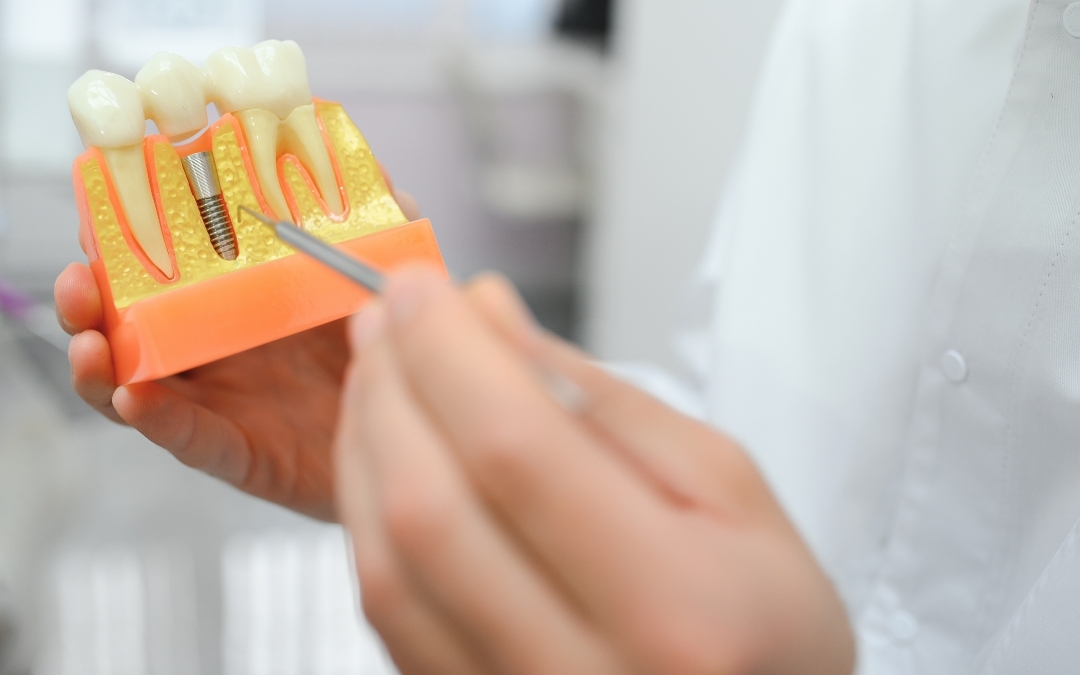
Traditional dentures rest on the gums and rely on suction, fit, or adhesives to stay in place. Dental implants work differently because a dentist places small posts into the jawbone to support replacement teeth.
Depending on your needs, implants may support a removable denture or a fixed restoration.
Better Stability While Eating and Speaking
Loose dentures can shift when you chew, laugh, or speak. Implant-supported dentures attach to implants, helping reduce unwanted movement. This added stability may make everyday activities feel more comfortable.
Less Dependence on Denture Adhesives
Some people use adhesive products to help keep their dentures secure. Implant-retained options may reduce or eliminate the need for adhesives, depending on the design and fit of the restoration.
Support for Jawbone Health
Implants transfer chewing forces to the surrounding bone. This stimulation can help preserve bone around the implant, although it does not stop bone loss everywhere in the jaw.
These benefits are not identical for everyone. Your results depend on implant placement, oral health, the type of restoration, and how well you maintain it.
What Are Your Options When Replacing Dentures With Dental Implants?
If you are considering a change, your dentist can explain several treatment approaches. The right choice depends on your budget, bone health, comfort preferences, and whether you want removable or fixed teeth.
Implant-Supported Removable Dentures
These dentures connect to implants through special attachments. You can remove them for cleaning, but the implants help keep them more secure during daily activities.
This option may suit people who want better retention without committing to a permanently fixed restoration.
Fixed Implant-Supported Teeth
A fixed restoration attaches to implants and is generally removed only by a dental professional. It can provide a more permanent-feeling alternative to conventional dentures.
Your dentist must evaluate your bone structure, bite, and cleaning ability before recommending this approach.
Individual Dental Implants
If you wear a partial denture or have several missing teeth, individual implants may replace selected teeth. Bridges or other restorations may also be appropriate, depending on the number and location of missing teeth.
A Phoenix dentist at Thomas Dental can help you compare these options and understand the practical differences before choosing a treatment plan.
What Determines Dental Implant Eligibility After Wearing Dentures?
Your candidacy depends on several factors, not simply how long you have worn dentures.
Jawbone Volume and Density
Your jawbone must provide adequate support for the implants. A cone-beam CT scan or other appropriate imaging may help your dentist assess bone dimensions and plan treatment.
If you have experienced significant bone loss, bone grafting may help make implant placement possible. However, grafting adds treatment time and may not suit every patient.
Gum Health and Oral Hygiene
Healthy gums are important for successful implant treatment. Your dentist may recommend treating gum disease or addressing other oral health problems before proceeding.
After treatment, regular professional care and daily cleaning help reduce the risk of inflammation around implants.
Overall Health and Lifestyle
Certain medical conditions, medications, smoking, and uncontrolled diabetes can affect healing or increase complications. These factors do not automatically rule out implants, but your dental team needs to consider them when planning treatment.
Your dentist will review your medical history and may coordinate with your physician when necessary.
What Is the Process of Switching From Dentures to Dental Implants?
Treatment usually begins with an examination and a discussion of your goals. Your dentist will assess your gums, remaining teeth if any, bite, jawbone, and current dentures.
If you qualify, the next steps may include:
- Treatment planning: Your dentist determines the number and placement of implants and the type of restoration.
- Preparatory procedures: You may need treatment for gum disease, tooth removal, or bone grafting.
- Implant placement: The dentist places the implants into the jawbone.
- Healing: The bone needs time to integrate with the implants. This process often takes several months, although timing varies.
- Final restoration: Your dentist attaches the planned denture, bridge, or fixed teeth after confirming that healing and implant stability are adequate.
In some cases, a temporary denture can be worn during healing. Your dentist will explain whether your existing denture needs adjustment and when you can safely use it.
How Much Do Dental Implants After Dentures Cost?
The cost depends on how many implants you need, whether you choose a removable or fixed restoration, and whether you require bone grafting or other procedures.
Replacing one or two teeth generally involves different expenses from supporting a full arch of replacement teeth. Imaging, temporary restorations, follow-up visits, and the final prosthesis may also affect the total.
Ask for a written treatment estimate that explains each part of the process. You can also discuss payment plans and insurance benefits, since coverage varies by policy.
How Can You Care for Dental Implants?
Implants need daily care even though the replacement teeth cannot develop cavities like natural teeth.
- Brush twice daily with a soft-bristled toothbrush.
- Clean between implants and around the restoration using tools recommended by your dentist.
- Remove and clean implant-supported removable dentures as directed.
- Attend routine dental checkups and professional cleanings.
- Avoid smoking and follow any instructions your dentist provides during healing.
The American Dental Association offers additional patient information about dental implants, including their role in replacing missing teeth.
Is It Worth Considering Dental Implants After Dentures?
If your dentures feel loose, make eating difficult, or require frequent adjustments, implants may offer an alternative worth discussing. Still, conventional dentures remain a reasonable choice for many people, and implants involve surgery, healing time, maintenance, and financial considerations.
The best decision comes from understanding your individual needs and the options available. At Thomas Dental in Phoenix, AZ, an evaluation can help clarify your dental implant eligibility after wearing dentures and whether an implant-supported restoration fits your goals.
Schedule an appointment to discuss your current dentures, ask questions about implant treatment, and find out which tooth replacement options may work for you.
Frequently Asked Questions
Can you get dental implants after wearing dentures for 10 years or longer?
Yes, it may be possible. The length of time you have worn dentures does not automatically prevent implant treatment. Your dentist will evaluate bone volume, gum health, and overall health to determine your options.
Can I keep wearing my dentures while dental implants heal?
In many cases, yes. Your dentist may adjust your existing dentures or provide a temporary restoration. You may need to avoid putting pressure on the surgical area while it heals, so follow your dentist’s instructions.
Do dental implants stop jawbone loss?
Implants can help preserve bone around the areas where they are placed by transferring chewing forces to the jaw. However, they do not prevent all bone loss throughout the jaw.
Are dental implants better than traditional dentures?
Neither option is best for everyone. Implants may provide greater stability and help preserve bone around implant sites, while traditional dentures avoid implant surgery and may have a lower initial cost. Your oral health, preferences, and budget all matter.
What if I have already lost a lot of jawbone?
You may still have options. Bone grafting or other preparatory procedures can sometimes improve support for implants. A dental examination and appropriate imaging will help determine whether these treatments are suitable for you.