
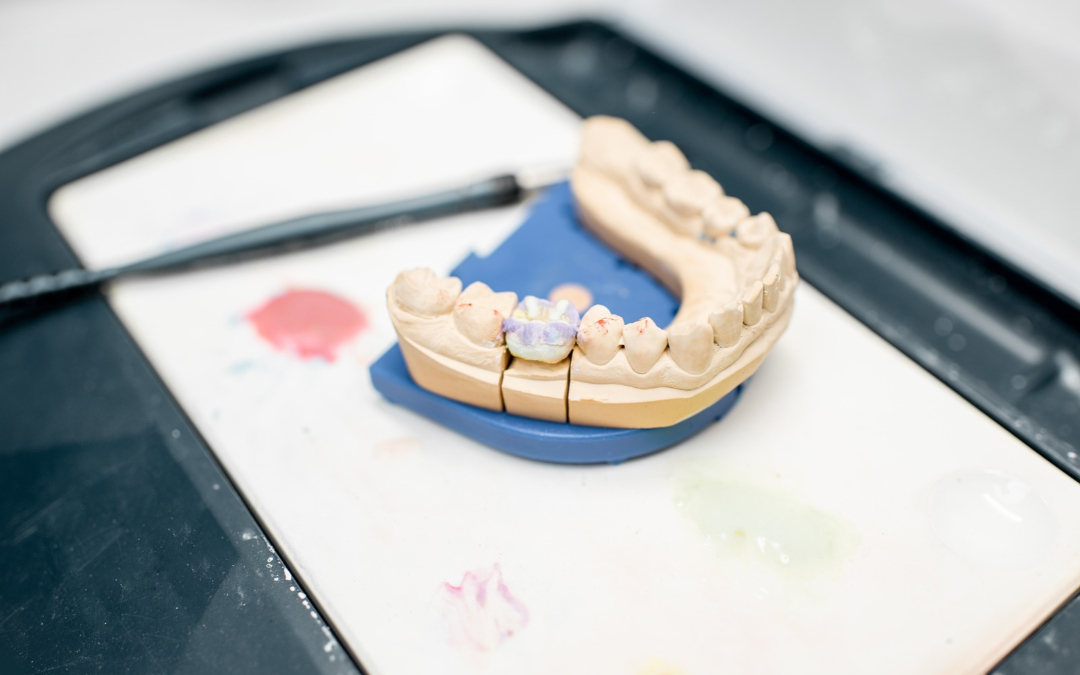
A cavity that keeps getting bigger can leave you with more questions than answers. You might have expected a simple filling, only to hear that the tooth needs a crown. Naturally, you may wonder why a filling is no longer enough, whether the tooth can still be saved, and what happens if you delay treatment.
Dental crowns for large cavities are often recommended when decay has taken away too much of a tooth’s natural structure. The concern is not just the hole left by the cavity. It is also whether the remaining tooth can handle the pressure of biting and chewing without cracking.
For people in Phoenix, AZ, understanding the reason behind a crown recommendation can make dental treatment feel less uncertain. Let’s look at how dentists evaluate severely decayed teeth, which restoration options may be available, and when a crown makes sense.
Why Can a Large Cavity Weaken a Tooth?
A tooth may look solid from the outside, but decay can gradually eat away at its inner structure. What starts as a small spot in the enamel can move into the dentin underneath. If bacteria continue spreading, the damage may eventually reach the pulp, where the tooth’s nerves and blood vessels are located.
The problem with extensive decay is that removing the damaged portion can leave very little healthy tooth behind. A filling may close the opening, but it cannot always provide enough support to keep the remaining structure from breaking.
Think about a back tooth that has lost a large section of its chewing surface. Every time you bite into something firm, pressure travels through the weakened areas. Over time, those areas may crack or separate.
This is one reason dental crowns in Phoenix may be recommended when a tooth has extensive damage. A crown covers the prepared tooth and helps protect the remaining structure from everyday chewing forces.
When Is a Dental Crown Necessary?
A large cavity does not automatically mean you need a crown. Your dentist needs to examine the tooth and determine how much healthy structure is left after removing the decay.
Here are some situations in which a crown may be a suitable choice.
When Most of the Chewing Surface Is Damaged
Back teeth do much of the work when you chew. If a cavity takes up a large portion of a molar, the remaining tooth may not have enough strength to support a conventional filling.
A crown covers the prepared tooth and helps distribute biting pressure across the restoration rather than leaving weakened sections exposed.
When the Remaining Tooth Walls Are Thin
Sometimes, decay spreads through the center of a tooth and leaves only thin walls around the outside. These walls may look intact, but they can be more likely to fracture under pressure.
If your dentist in Phoenix finds that the remaining structure is too weak to support a filling, a crown may offer better coverage.
When an Old Filling Has Been Replaced Several Times
A tooth that has undergone repeated restorative work may have less natural structure than it originally did. If an older filling becomes damaged or another cavity develops around it, simply placing a larger filling may not be the best option.
Your dentist may recommend a crown to protect what remains of the natural tooth.
When Decay Has Reached the Tooth’s Pulp
Deep decay can irritate or infect the pulp, sometimes making root canal treatment necessary. After treating the inside of the tooth, your dentist may recommend a crown to restore its strength.
This is especially common with molars because they experience considerable pressure during chewing.
What Are the Treatment Options for a Large Cavity?
The best treatment depends on the size of the damaged area, the location of the tooth, and how much healthy structure remains. A crown is one option, but it is not the only way to restore a tooth affected by severe decay.
Dental Fillings
For smaller and moderately sized cavities, a filling may be all that is needed. The dentist removes the decayed material and fills the space with a restorative material, often tooth-colored composite resin.
Fillings work well when the remaining tooth is strong enough to hold the restoration. However, a very large filling may not provide adequate protection if the surrounding tooth walls are already weakened.
Inlays and Onlays
An inlay or onlay may be considered when a tooth needs more support than a regular filling can provide but does not necessarily need a full crown.
An inlay fits within the raised edges of the tooth, while an onlay extends over one or more of those edges. Both are custom-made to fit the damaged area.
Your dentist may recommend one of these restorations when enough healthy tooth structure remains to support a more conservative repair.
Dental Crowns
A crown covers the visible portion of a prepared tooth. It restores the tooth’s shape and allows you to use it for normal biting and chewing.
Crowns can be made from ceramic, porcelain, metal, or a combination of materials. The right choice depends on the tooth’s position, appearance requirements, and functional needs.
For a severely weakened molar, a crown may provide the coverage that a filling cannot.
Root Canal Treatment Followed by a Crown
If bacteria have reached the pulp, simply repairing the outside of the tooth will not address the infection inside.
Root canal treatment removes the affected pulp tissue and allows the dentist to clean and seal the internal space. A crown may then be placed to restore the tooth and protect its remaining structure.
The root canal addresses the problem inside the tooth, while the crown restores and protects its outer portion.
What Makes Dental Crowns Useful for Damaged Teeth?
A crown does more than cover a cavity. It gives a weakened tooth a new outer surface that can handle normal daily use.
Some benefits include:
- Protection against fractures: Covering weakened areas can help reduce the chance of the remaining tooth breaking.
- Better chewing function: A properly fitted crown restores the tooth’s shape and contact with neighboring teeth.
- A natural-looking appearance: Tooth-colored materials can be selected to blend with the rest of your smile.
- Support after root canal treatment: Crowns can help protect teeth that have lost significant structure during decay removal and treatment.
- Long-term use: Many crowns last around 5–15 years or longer, depending on their material, placement, and the care they receive.
Still, a crown is not a permanent guarantee against future dental problems. Decay can develop around its edges, and crowns can wear or become damaged over time.
What Should You Expect During Crown Treatment?
Knowing what happens during treatment can make the process easier to approach. Although the details vary, getting a traditional dental crown generally involves two appointments.
The First Appointment: Preparing the Tooth
Your dentist examines the tooth and may take X-rays to check the extent of decay and assess the surrounding structures.
After removing the damaged tissue, the dentist shapes the remaining tooth so that the crown can fit securely. An impression or digital scan is then taken and sent for crown fabrication.
If the permanent restoration is being made at a dental laboratory, a temporary crown may be placed to protect the prepared tooth.
The Second Appointment: Placing the Crown
Once the permanent crown is ready, your dentist removes the temporary one and checks the new restoration.
They will look at how it fits, how it meets the neighboring teeth, and whether your bite feels comfortable. After making any necessary adjustments, the crown is secured in place.
Some temporary sensitivity can occur after treatment. However, pain that continues, a bite that feels too high, or discomfort when chewing should be brought to your dentist’s attention.
How Can You Prevent Small Cavities From Becoming Bigger?
There is no way to guarantee that you will never need a crown, but taking care of your teeth can reduce the likelihood of extensive decay.
A few habits make a meaningful difference:
- Brush in the morning and before bed with fluoride toothpaste.
- Clean between your teeth every day to remove plaque from areas your toothbrush cannot reach.
- Avoid sipping sugary drinks throughout the day.
- Drink water regularly, especially after meals.
- Keep up with routine dental examinations.
- Have new sensitivity or visible changes checked instead of waiting for pain.
Early treatment often gives your dentist more options for preserving natural tooth structure.
When Should You Have a Large Cavity Examined?
A large cavity does not always hurt. You may notice a dark spot, food getting trapped in a particular area, sensitivity to cold drinks, or discomfort when biting. Sometimes, there are no obvious symptoms until the decay becomes more advanced.
If you experience spontaneous toothache, swelling, or pain that interrupts your sleep, arrange a dental evaluation promptly. Facial swelling accompanied by fever or difficulty swallowing requires urgent attention.
For patients in Phoenix, AZ, Thomas Dental can examine damaged teeth and explain which restoration may be appropriate. Whether you have a new cavity or an older filling that keeps causing trouble, an examination can help determine how much of the natural tooth can still be preserved.
If you are concerned about a large cavity, schedule an appointment with us to discuss your treatment options before the damage progresses.
Frequently Asked Questions
Can a large cavity be treated without a crown?
Yes, in some cases. If enough healthy tooth structure remains, a filling, inlay, or onlay may be suitable. The decision depends on the extent of decay and how much support the remaining tooth can provide.
Does a large cavity always mean a root canal?
No. A root canal is generally needed when the pulp becomes irreversibly inflamed or infected. A cavity can be extensive without reaching the pulp, so an examination and appropriate testing are needed to determine the treatment.
Is a crown better than a large filling?
Neither option is automatically better for every tooth. A filling may work well when the surrounding structure is strong. A crown may be more appropriate when the tooth has lost substantial support and needs additional coverage.
How long can a tooth last after receiving a crown?
A crowned tooth can remain functional for many years. Many crowns last approximately 5–15 years or longer, but their lifespan varies. Brushing, flossing, regular checkups, and avoiding habits such as chewing ice can help protect the restoration.
Can I delay getting a crown after a large cavity?
Delaying recommended treatment can allow a weakened tooth to develop cracks or sustain further damage. In some cases, the tooth may eventually require more extensive treatment. Ask your dentist whether it is safe to wait and what risks apply to your particular tooth.