
A tooth that suddenly starts hurting can make even simple things, like eating or drinking, uncomfortable. Sometimes the problem is a cavity or sensitivity, but persistent pain can mean that something is happening deeper inside the tooth.
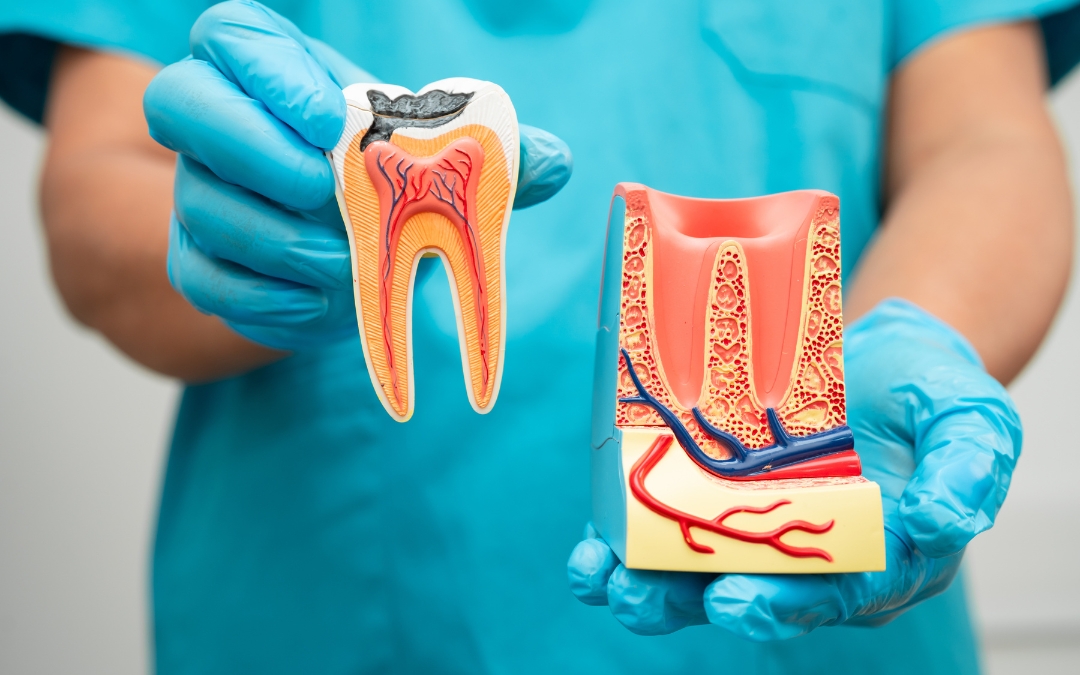
At the center of every tooth is a soft area called the pulp. It contains nerves and blood vessels and can become irritated or infected when bacteria get through the protective layers of the tooth. Deep decay, a crack, or an injury can all create an opening for bacteria to reach this area.
Once the pulp becomes infected, the problem usually needs dental treatment rather than time to resolve on its own. Recognizing the signs early can help prevent the infection from spreading and may give you a better chance of keeping your natural tooth.
Why Does a Root Canal Infection Happen?
Think of the outer part of your tooth as a protective shell. As long as that shell remains intact, the pulp is protected. A large cavity, crack, or injury can break through that protection and allow bacteria inside.
Some situations that can lead to an infected pulp include:
- A cavity that has reached deep into the tooth
- A cracked or broken tooth
- An accident or blow to the mouth
- A filling that has become damaged or loose
- Repeated dental work on the same tooth
- Significant damage or wear to the tooth
When the pulp can no longer recover, treatment may be necessary to remove the infected tissue. Root canal therapy Phoenix patients receive is intended to clean the inside of the tooth, seal it, and preserve the tooth whenever possible.
What Does a Root Canal Infection Feel Like?
The symptoms are not always identical from person to person. In fact, some infected teeth may cause very little discomfort at first. However, certain changes should get your attention.
Persistent Toothache
A tooth that keeps hurting deserves attention. The discomfort might be a constant ache, a sudden sharp pain, or a throbbing sensation. You may notice it more when you bite down or chew.
Pain that keeps returning, especially without an obvious explanation, is a good reason to have the tooth examined.
Sensitivity That Lingers
Hot coffee, cold water, or ice cream can trigger sensitivity for many reasons. But if the pain continues well after the food or drink is gone, the pulp may be irritated.
A dentist Phoenix, AZ patients can rely on can examine the tooth and determine whether the symptoms are coming from the pulp or another dental issue.
Tender or Puffy Gums
Look at the gum around the painful tooth. Is it red, swollen, or sore? A small raised spot on the gum can also develop when an infection has formed around the tooth.
Pain When You Bite
Some people do not notice much pain until they put pressure on the tooth. If biting into food causes a particular tooth to hurt, do not assume it will simply settle down.
A Darker Tooth
An injured or unhealthy tooth can sometimes become darker than the teeth beside it. Discoloration does not automatically mean you need a root canal, but it is something your dentist should evaluate.
An Unpleasant Taste
A bad taste that keeps coming back, particularly when accompanied by swelling or drainage near a tooth, can be associated with an infection.
Swelling or Fever
Swelling around the gums, jaw, or face can occur when a dental infection progresses. Fever or feeling generally unwell can also occur with some infections. Significant facial swelling or difficulty breathing or swallowing requires urgent medical attention.
What Happens During Root Canal Treatment?
If your symptoms suggest a problem with the pulp, your dentist will examine the tooth and may take dental X-rays. The goal is to identify the source of the problem and see how far it has progressed.
If root canal treatment is appropriate, the process generally looks like this:
First, the tooth is numbed. Local anesthesia helps keep you comfortable throughout the procedure.
Next, the dentist reaches the inside of the tooth. A small opening provides access to the pulp and root canals.
The unhealthy pulp is removed. The infected or damaged tissue is carefully taken out.
The canals are cleaned. The spaces inside the roots are cleaned and prepared so bacteria and debris can be removed.
The canals are sealed. Once the inside of the tooth has been cleaned, the canals are filled and sealed to help prevent another infection.
The tooth is restored. Depending on how much tooth structure remains, you may need a filling or crown to protect the tooth and allow you to use it normally again.
The purpose of treatment is not simply to stop a toothache. It is to address the source of the problem while keeping your natural tooth whenever it can be saved.
What If You Ignore the Symptoms?
It can be tempting to wait when tooth pain comes and goes. Unfortunately, feeling better does not necessarily mean the infection has disappeared.
An untreated infection can move beyond the tooth and affect the tissues around its root. In some cases, an abscess can develop. As the infection progresses, saving the tooth may become more difficult.
That is why it is better to have unexplained or persistent symptoms checked rather than waiting for them to become severe.
Don’t Ignore a Tooth That Keeps Hurting
A lingering toothache is your mouth’s way of telling you that something may need attention. Whether the cause is an infection, decay, a crack, or another dental problem, finding the cause early can make treatment easier and may help protect your natural tooth.
If you are dealing with persistent pain, sensitivity, swelling, or another unusual change, talk with your dental team about an evaluation. Schedule an appointment today to have your symptoms checked and take care of your smile.
Frequently Asked Questions
Can a root canal infection go away by itself?
An infection inside the pulp generally requires dental treatment. Symptoms may change or temporarily disappear, but that does not necessarily mean the underlying problem is gone.
Is root canal treatment painful?
The tooth is numbed before treatment. You may experience some soreness afterward, particularly if the tooth was infected before treatment, but your dental team can explain how to manage normal post-treatment discomfort.
How long does a root canal take?
The time varies according to the tooth and the complexity of the case. Some treatments can be completed in one appointment, while others may require additional visits.
Do all root canal-treated teeth need crowns?
Not necessarily. The recommended restoration depends on factors such as the location of the tooth and how much healthy tooth structure remains.
Can a tooth become infected again?
Yes. Although treatment is intended to eliminate the infection and seal the tooth, problems such as new decay, cracks, or a compromised restoration can sometimes allow bacteria back inside.
How can I lower my risk of needing a root canal?
Brush twice a day, clean between your teeth daily, keep up with dental checkups, protect your teeth during activities that could cause injury, and have cavities or damaged teeth treated before they become more serious.