
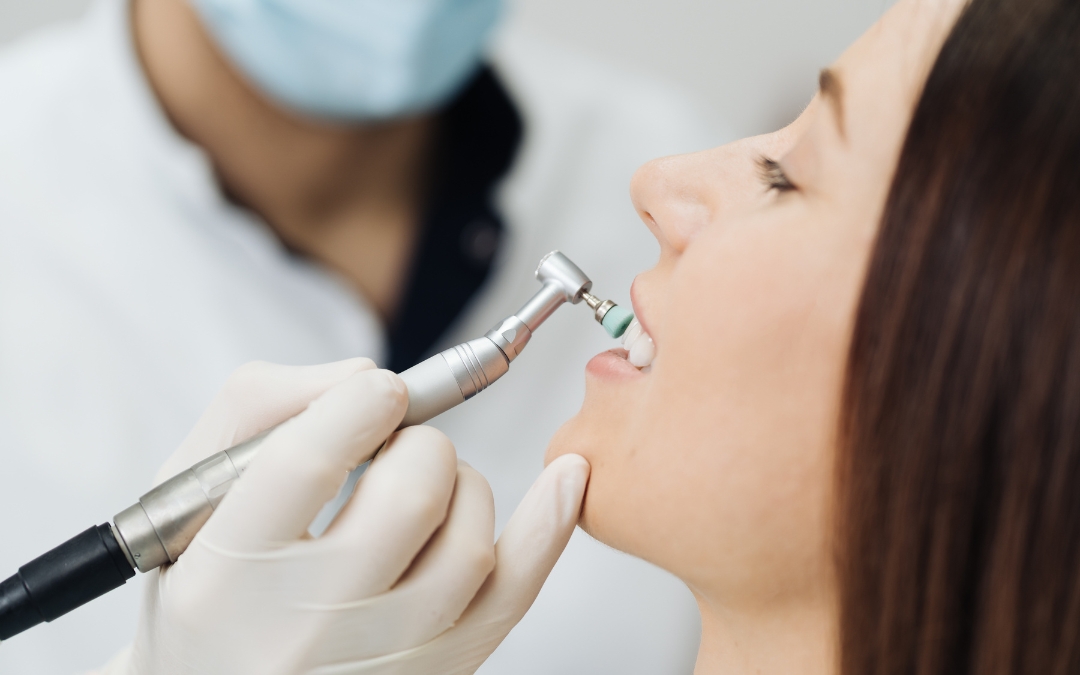
Have you ever noticed blood in the sink after brushing your teeth following a dental visit? Or perhaps your gums started bleeding while your hygienist cleaned around your teeth. It can be unsettling, especially when you expected your mouth to feel fresh and healthy afterward.
The good news is that gums bleeding during dental cleaning can happen, particularly when your gums are already irritated or inflamed. However, bleeding is not something you should automatically ignore. Its cause, severity, and duration can help determine whether your gums need extra care.
For patients in Phoenix, AZ, understanding what happens during a professional cleaning can make dental visits feel less stressful. Let’s look at why bleeding occurs, how to manage it, and when to contact your dentist.
Is It Normal for Gums to Bleed During a Dental Cleaning?
Occasional bleeding during a dental cleaning is relatively common, especially in people with gum inflammation. Healthy gum tissue generally does not bleed easily during routine cleaning, so bleeding can indicate that plaque buildup has irritated the gums.
During a professional cleaning, your dental hygienist removes plaque and hardened tartar from the teeth and along the gumline. If the surrounding tissue is sensitive or inflamed, contact with dental instruments may cause some bleeding.
Bleeding can also occur when you have not received a cleaning for several months or longer. In these situations, tartar may have accumulated around the teeth, making the gums more vulnerable to irritation.
The important distinction is that bleeding can signal an existing gum problem rather than damage caused by the cleaning itself.
What Causes Bleeding Gums During Teeth Cleaning?
Several factors can explain why your gums bleed during a professional cleaning. Identifying the likely cause helps you understand what your mouth needs afterward.
Plaque and Tartar Buildup
Plaque is a sticky film of bacteria that forms on teeth throughout the day. When you do not remove it effectively through brushing and flossing, it can harden into tartar.
Tartar irritates the gumline and creates surfaces where additional plaque can collect. Professional dental instruments remove these deposits, but the inflamed tissue may bleed during the process.
Gingivitis and Gum Inflammation
Gingivitis is an early stage of gum disease. Common signs include red, swollen, tender gums that bleed during brushing, flossing, or dental cleanings.
The encouraging part is that gingivitis can often improve with professional cleaning and consistent oral hygiene. Without proper care, however, gum disease can progress and damage the tissues supporting your teeth.
Inconsistent Flossing or Brushing
If you rarely floss, the tissue between your teeth may become inflamed as plaque accumulates. Bleeding can become noticeable when you begin flossing again or receive a professional cleaning.
Using a hard-bristled toothbrush or applying excessive pressure can also irritate your gums. A soft-bristled toothbrush and gentle technique help clean your teeth without unnecessary trauma.
Other Contributing Factors
Certain medications, hormonal changes, smoking, and health conditions can affect gum health or bleeding. If you take blood-thinning medication, tell your dental team before treatment. Never stop a prescribed medication without consulting your healthcare professional.
What Should You Do About Bleeding Gums After Dental Cleaning?
Mild bleeding after a routine cleaning usually settles quickly. You can support healing with a few simple steps at home.
- Brush gently: Use a soft-bristled toothbrush and fluoride toothpaste. Avoid scrubbing the gumline aggressively.
- Continue cleaning between teeth: Gentle flossing helps remove plaque, although you should contact your dentist if it causes persistent or heavy bleeding.
- Choose comfortable foods: If your gums feel tender, eat soft foods and avoid very hot, crunchy, or spicy options until the irritation improves.
- Drink enough water: Staying hydrated supports normal saliva production and helps keep your mouth comfortable.
- Follow your dentist’s instructions: Your dental team may recommend specific care depending on the amount of inflammation or the type of cleaning performed.
Avoid repeatedly poking the gums to check whether they are still bleeding. This can irritate the tissue further.
If bleeding is heavy, continues without improvement, or occurs alongside significant swelling or pain, contact your dental office rather than relying solely on home care.
How Long Do Gums Bleed After Dental Cleaning?
The answer depends on the condition of your gums and the type of cleaning you received.
How Long Do Gums Bleed After Dental Cleaning?
The answer depends on the condition of your gums and the type of cleaning you received.
| Situation | What to Expect |
|---|---|
| Routine cleaning with mild inflammation | Light bleeding generally settles quickly, often within hours. |
| Inflamed gums or significant tartar buildup | Tenderness or minor bleeding may last longer, sometimes into the next day. |
| Deep cleaning for gum disease | Soreness and some bleeding may persist for a few days, depending on the treatment and individual healing. |
These are general expectations, not guaranteed timelines. Bleeding that persists, increases, or repeatedly returns deserves professional evaluation.
When Should You Contact Your Dentist?
A small amount of bleeding that quickly stops is usually less concerning than bleeding that occurs frequently or without an obvious trigger.
Arrange a dental evaluation if you experience:
- Bleeding gums during most brushing or flossing sessions.
- Persistent redness, swelling, or gum tenderness.
- Gums that appear to pull away from your teeth.
- Persistent bad breath or a bad taste in your mouth.
- Loose teeth or changes in how your teeth fit together.
Heavy bleeding that does not stop with gentle, continuous pressure warrants urgent medical or dental attention, particularly if you feel faint or unwell.
For anyone seeking a dentist in Phoenix, regular dental visits can help identify gum inflammation before it develops into a more serious problem. At Thomas Dental, patients can discuss their symptoms and receive guidance on maintaining healthier gums.
Keep Your Gums Healthy Between Visits
Prevention starts with everyday habits. Brush twice daily with fluoride toothpaste, clean between your teeth daily, and schedule professional cleanings according to your dentist’s recommendations.
If your gums bleed repeatedly, do not avoid brushing or flossing altogether. Gentle, consistent plaque removal is important, and your dentist can help you adjust your technique if needed.
Whether you live near East Thomas Road or elsewhere in Phoenix, AZ, paying attention to changes in your gums can help protect your oral health over time.
If bleeding has become a regular concern or your gums have not settled after a recent cleaning, the team at Thomas Dental can help you determine the next steps.
Schedule an appointment to discuss your gum health and get personalized guidance for a healthier smile.
Frequently Asked Questions
Is it normal for gums to bleed during a dental cleaning?
Yes, it can happen, especially when plaque buildup or gingivitis has made the gums inflamed. However, healthy gums generally should not bleed easily, so recurring bleeding deserves attention.
How can I stop my gums from bleeding after cleaning?
For mild bleeding, follow your dentist’s aftercare instructions, brush gently, and avoid irritating the gumline. If bleeding is heavy, persistent, or worsening, contact your dental office.
Can a dental cleaning damage my gums?
Routine professional cleaning removes plaque and tartar without intentionally damaging healthy gum tissue. Inflamed gums may bleed during treatment, but persistent symptoms should be evaluated.
Should I floss if my gums bleed after a dental cleaning?
In most cases, gentle daily flossing remains important for removing plaque between teeth. If flossing causes heavy bleeding or significant pain, ask your dentist to assess your gums and demonstrate the correct technique.
Does bleeding during cleaning mean I have gum disease?
Not necessarily. Bleeding can result from gum inflammation, brushing habits, medications, or other factors. A dental examination helps determine the underlying cause and whether gum disease is present.