
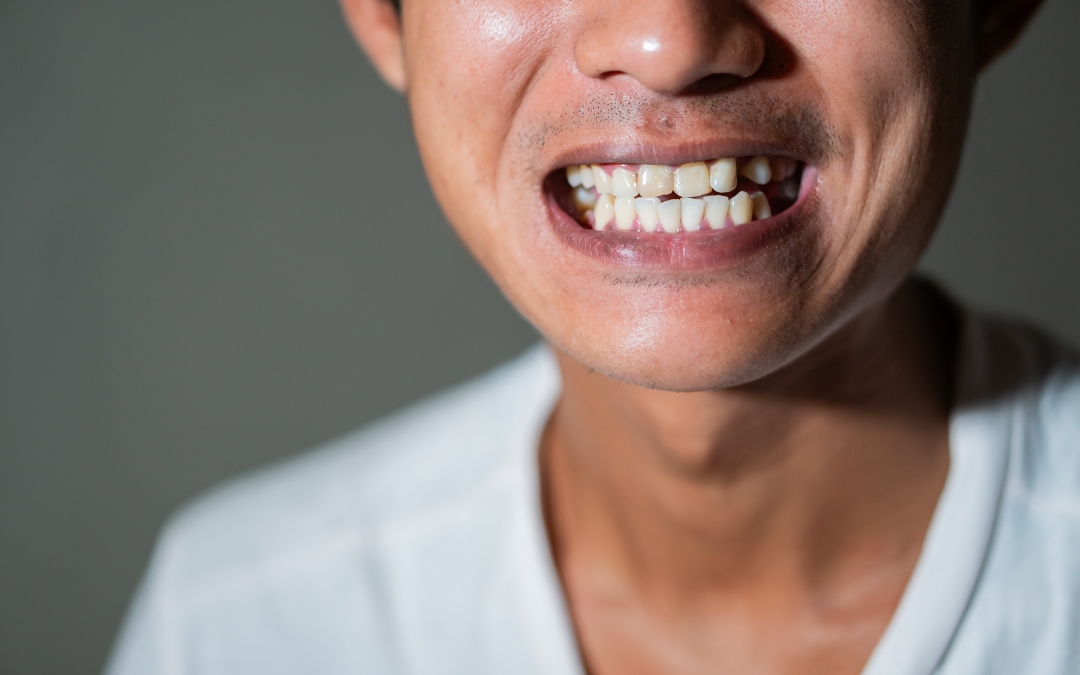
A dental crown is designed to cover and protect a damaged or weakened tooth while blending naturally with the surrounding teeth. When the crown and gum line fit properly, there should not be a noticeable space where food and bacteria can collect. However, you may eventually notice a small gap developing around the edge of a crown.
A space around a crowned tooth does not always mean that the crown has failed. In some cases, changes in the gum tissue can make the edge of the crown more visible. In other situations, the crown may be loose, worn, or affected by decay underneath it. Finding the cause is important because treatment depends on what is creating the gap.
If you notice food repeatedly getting caught around your crown, increased sensitivity, gum irritation, or an unpleasant taste, it is worth having the area checked. Patients looking for dental crowns in Phoenix can benefit from an evaluation that considers both the condition of the crown and the health of the surrounding gums.
Why Is There a Gap Between a Crown and the Gums?
Several factors can contribute to a space appearing between a dental crown and the gum line. Some develop gradually, while others may become noticeable after changes to the tooth or gums.
Gum Recession
Gum tissue can gradually move away from a tooth for several reasons. Gum disease, aggressive brushing, tobacco use, and natural changes associated with aging can all contribute to gum recession.
When the gum pulls back, more of the crown margin may become visible. This can make it look as though the crown itself has moved, even though the crown may still be firmly attached to the tooth.
An Improper Crown Fit
A crown needs to be carefully designed and positioned so its edges meet the tooth and surrounding tissues appropriately. If the fit is not ideal, a space may develop where plaque and food particles can accumulate.
A crown can also become less well adapted over time if the underlying tooth or gum tissue changes. A dental examination can determine whether the crown needs adjustment or replacement.
Crown Wear or Damage
Dental crowns are made to withstand normal chewing, but they are not indestructible. Years of chewing, clenching, or grinding can affect the crown or the cement holding it in place.
A damaged or worn crown may develop an irregular edge or become loose. Even a small change can make cleaning around the area more difficult.
Decay Around or Under the Crown
Although a crown covers most of the visible portion of a tooth, the tooth underneath can still develop decay, particularly around the crown’s margins. Plaque accumulation and leakage around a compromised crown can allow bacteria to reach the underlying tooth structure.
If decay has weakened the tooth, the crown may no longer have the stable foundation it originally had.
A Loose Crown
A crown that has become partially detached may move slightly when you bite or chew. You might notice a clicking sensation, movement, sensitivity, or food becoming trapped underneath it.
A loose crown should not be ignored. Continuing to chew on it may cause additional damage to the crown or the underlying tooth.
What Are the Signs of a Crown-to-Gum Gap?
A gap is sometimes easy to see, but it can also develop in an area that is difficult to inspect. Common signs include:
- Food frequently collecting around the crowned tooth
- Red, tender, or swollen gum tissue
- Bleeding when brushing or flossing
- Sensitivity to hot or cold foods and drinks
- Persistent unpleasant breath or taste
- A crown that feels different when you bite
- A visible space along the crown’s edge
- Movement or looseness of the crown
These symptoms do not necessarily mean that the crown needs to be replaced. A dentist needs to examine the crown, tooth, and gums to identify the underlying problem.
How Can a Gap Between a Crown and Gum Be Fixed?
The appropriate treatment depends on why the space developed. A Phoenix dentist may recommend one of several approaches after examining the area.
Crown Adjustment or Replacement
If the crown is loose, damaged, poorly fitted, or no longer provides adequate coverage, your dentist may recommend adjusting or replacing it. The old crown can be removed when necessary, and the tooth can be evaluated before a new restoration is placed.
Treatment for Gum Recession
When recession is responsible for the visible space, treating the gums may be more appropriate than replacing the crown. Depending on the severity, your dentist may recommend improved home care, periodontal treatment, or a gum graft to restore lost tissue.
Treatment for Tooth Decay
If decay is found around or beneath the crown, it needs to be addressed before simply placing another restoration. Treatment may involve removing decay and determining whether the existing crown can be retained or should be replaced.
Professional Cleaning
Plaque and tartar around a crown can irritate the gums and make the area appear worse. A professional cleaning can remove deposits that are difficult to eliminate at home. If gum disease is present, additional periodontal treatment may be recommended.
Can You Fix the Gap at Home?
There is no reliable home treatment for a structural gap between a crown and gum. However, you can protect the area while waiting for a dental evaluation.
Continue brushing twice a day with a soft-bristled toothbrush and clean carefully around the crown. Floss gently to remove trapped food, but do not force the floss into an irritated area. You can also rinse with warm salt water if the gums feel mildly irritated.
Try to avoid very hard or sticky foods until the crown has been evaluated, particularly if it feels loose. Do not attempt to glue, file, or reposition the crown yourself, as this can make professional treatment more difficult.
How Can You Prevent Problems Around a Dental Crown?
Good daily care can help protect both your crown and the tooth underneath it.
Brush twice a day and clean between your teeth every day. Pay particular attention to the gum line around the crown without brushing aggressively. Regular dental examinations allow your dentist to check for changes in the crown, gums, bite, and underlying tooth.
If you grind or clench your teeth, ask your dentist whether a custom nightguard may be appropriate. Limiting habits such as chewing ice or using your teeth to open packages can also reduce unnecessary stress on a crown.
When Should You See a Dentist?
A small visible space may not always require emergency treatment, but it should not be ignored. Make an appointment if the gap is becoming larger, food regularly becomes trapped, or the gums around the crown remain swollen or irritated.
Seek prompt dental care if the crown becomes loose, falls out, causes significant pain, or is accompanied by substantial swelling. Early evaluation can help identify the cause before the tooth or surrounding tissues sustain additional damage.
Final Thoughts
A gap around a dental crown is worth checking, even when it seems minor. Identifying the cause early can help protect the crowned tooth, surrounding gums, and your overall oral health. If you have noticed a change around a crown, schedule an appointment with Thomas Dental for a professional evaluation.
Frequently Asked Questions
Can a gap between my crown and gums cause problems?
Yes. A gap can make it easier for plaque and food particles to collect around the crown. Depending on the cause, this may contribute to gum irritation, decay, or problems with the crown’s stability.
Does a gap always mean my dental crown needs to be replaced?
No. The space may be related to gum recession, inflammation, or changes in the surrounding tissue rather than a defective crown. Your dentist can determine whether treatment, adjustment, or replacement is appropriate.
Can gum recession make a crown look like it has a gap?
Yes. When gum tissue recedes, more of the crown margin can become exposed. This can create the appearance of a gap even when the crown itself has not moved.
Is it safe to floss around a dental crown?
Yes. Daily flossing is important for keeping the gum tissue around a crown healthy. Floss gently around the crowned tooth and avoid snapping the floss forcefully against the gums.
What should I do if my crown feels loose?
Avoid chewing hard or sticky foods on that side and contact your dentist for an evaluation. Do not try to permanently reattach the crown yourself.
How can I keep food from getting trapped around my crown?
Regular brushing and flossing can help reduce food buildup. If food consistently becomes trapped in the same area, however, have the crown and surrounding gums checked to determine why it is happening.
Can a dentist fix a small gap without replacing the crown?
Sometimes. If the crown itself is healthy and the issue is related to the gums or minor fit concerns, treatment may not require a new crown. The recommended approach depends on the condition of the tooth, crown, and gum tissue.