
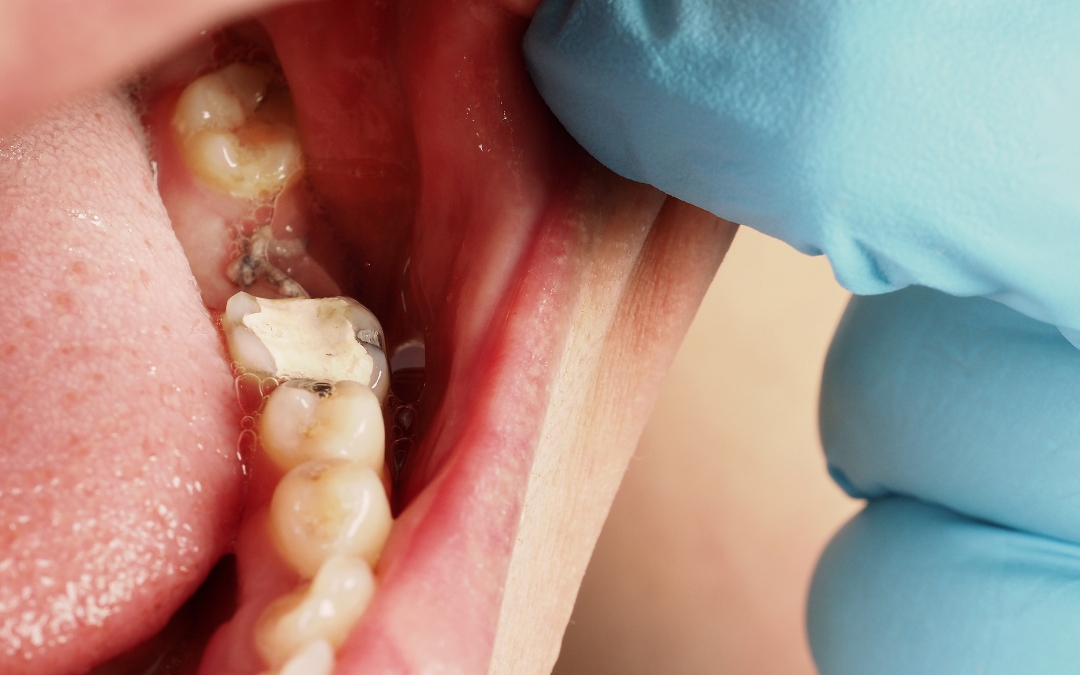
If you’ve recently had a tooth removed, gum procedure, or another type of dental surgery, you may notice a few small threads around the treated area. These dental stitches, also called sutures, help hold the tissues together while your mouth begins to heal. Seeing them for the first time can leave you wondering how long they will remain in place.
The good news is that dental sutures are usually temporary. Depending on the type of material used, some stitches gradually break down inside the body, while others need to be removed by your dental professional. Knowing what to expect can make the recovery period feel much less uncertain.
Why Are Dental Stitches Used?
Stitches serve an important purpose following many dental procedures. They can help keep the edges of a surgical wound together, control bleeding, protect the underlying tissues, and support proper healing. Your dentist or oral surgeon chooses the type of suture based on the procedure, the location of the wound, and how much support the tissues need.
For patients undergoing oral surgery Phoenix procedures, sutures may be used after treatments such as tooth extractions, wisdom tooth removal, gum surgery, bone grafting, or other procedures involving the soft tissues of the mouth. Your provider will explain what type of stitches you have and whether they will need to be removed.
How Long Do Dissolvable Dental Stitches Take to Dissolve?
Most dissolvable dental stitches begin to loosen or break down within several days and may disappear within about one to two weeks. However, there is no single timeline that applies to everyone.
Some sutures may fall out or dissolve in less than a week, while others can remain noticeable for several weeks depending on the material. A small piece of thread may also become loose before the entire suture has broken down. This does not necessarily mean there is a problem.
What Types of Dental Stitches Are Used?
Dental professionals commonly use either absorbable or non-absorbable sutures.
Absorbable Stitches
Absorbable, or dissolvable, sutures are designed to gradually break down as the surgical area heals. They are frequently used for procedures involving gum tissue and other areas where returning for stitch removal may not be necessary.
The exact amount of time they remain in place depends on the material. Some are designed to break down relatively quickly, while others provide support for a longer period.
Non-Absorbable Stitches
Non-absorbable sutures do not naturally dissolve. Materials such as certain types of silk, nylon, or polyester may be used when longer-lasting support is needed.
If you have non-dissolvable stitches, your dental professional will schedule a follow-up visit to remove them. The timing varies according to the procedure and how the area is healing. Never try to cut or pull out these stitches yourself.
What Happens as Dental Stitches Dissolve?
As an absorbable suture breaks down, you may notice that it becomes softer or looser. You might feel a small piece of thread with your tongue, or part of the stitch may come away while eating or brushing.
A mild amount of tenderness around the surgical site can also be normal during the early stages of recovery. The tissue underneath the stitches should gradually become more comfortable as healing continues.
It is important to avoid repeatedly touching or pulling at the sutures with your fingers or tongue. Doing so can irritate the area and potentially interfere with healing.
What Can Affect How Quickly Stitches Dissolve?
The time required for dental stitches to disappear can vary from person to person. Several factors may influence the process.
Type of suture: Different materials are designed to remain in place for different lengths of time.
Type of procedure: A straightforward extraction may heal differently from a bone graft or more extensive oral surgery.
Location of the stitches: Areas of the mouth experience different amounts of movement, moisture, and friction.
Individual healing: Age, general health, nutrition, and other factors can influence tissue repair.
Aftercare: Following your dental professional’s instructions can help create a healthier environment for healing.
How Should You Care for Dental Stitches?
Proper aftercare is an important part of protecting the surgical site. Your specific instructions may vary depending on the procedure, so always follow the recommendations provided by your dental team.
For patients searching for a dentist in Phoenix, one of the most important things to remember after oral surgery is to avoid disturbing the stitches while the area heals.
Use a soft-bristled toothbrush and clean your teeth carefully around the surgical area. Depending on your procedure, your dentist may recommend gentle saltwater rinses or a prescribed mouth rinse. Avoid vigorous swishing, particularly during the early stages of healing.
You should also avoid smoking and other habits that can irritate the surgical site. Stick with softer foods when recommended and be cautious with very hot, crunchy, spicy, or hard foods until the area has recovered.
Can a Dental Stitch Come Out Too Early?
It is possible for a stitch to loosen or come out before you expect it to. Whether this is concerning depends on the type of procedure, how far along the healing process is, and whether the wound remains closed.
If a stitch comes loose, do not attempt to replace it yourself. Contact your dental office and describe what happened. Your provider can determine whether the area needs to be examined.
When Should You Contact Your Dentist?
Some discomfort is expected after many dental procedures, but certain symptoms deserve prompt attention.
Contact your dental professional if you experience:
- Pain that becomes increasingly severe
- Swelling that continues to increase instead of improving
- Persistent or heavy bleeding
- Fever or chills
- Pus or unusual drainage
- A foul taste or odor that develops around the surgical site
- Significant difficulty opening your mouth or swallowing
- A wound that appears to have opened
If you are unsure whether something is normal during recovery, it is better to contact your dental office rather than trying to diagnose the issue yourself.
The Bottom Line
Dental stitches play an important role in protecting surgical sites and supporting the healing process. Many dissolvable sutures begin to break down within days and disappear within one to two weeks, although some can take longer depending on the material and procedure.
Keep the area clean, follow your post-treatment instructions, avoid disturbing the sutures, and pay attention to how the surgical site changes during recovery. If you have questions about a loose stitch or are concerned about your healing, your dental team can determine whether everything is progressing normally.
Schedule an appointment today to discuss your dental needs and get personalized guidance for a healthy recovery.
Frequently Asked Questions
How long do dissolvable stitches stay in after a tooth extraction?
Many dissolvable stitches begin breaking down within several days and may disappear within one to two weeks. Some materials can take longer. Your dental professional can give you a more specific timeframe based on the type of suture used.
Is it normal for dissolvable stitches to fall out?
Yes. As absorbable stitches break down, they may loosen and eventually fall out. A small piece of suture may also detach while the tissue underneath continues healing.
Can I brush my teeth with dental stitches?
In most cases, you can continue brushing your teeth, but you should be gentle around the surgical area. Avoid directly scrubbing the stitches unless your dental professional tells you otherwise.
Can I use mouthwash with dental stitches?
Some mouthwashes may irritate healing tissues. Your dentist may recommend a particular rinse depending on your procedure. Unless instructed otherwise, avoid aggressively swishing around the surgical site.
What should I do if I accidentally pull on a stitch?
Stop touching the area and contact your dental office for advice. Do not try to cut, pull, or reposition the stitch yourself.
Do non-dissolvable dental stitches hurt when they are removed?
Most patients experience little discomfort during suture removal. Your dental professional will gently remove the stitches once the tissue has healed enough.
Can dental stitches take more than two weeks to dissolve?
Yes. The timeline depends on the suture material and the procedure. Some absorbable sutures are designed to remain in place longer than two weeks.
Should I be worried if I can still feel a stitch after two weeks?
Not necessarily. Some sutures take longer to break down. However, if the stitch is causing irritation or you have pain, swelling, drainage, or other unusual symptoms, contact your dental professional.
Can I eat normally while I have dental stitches?
Your diet may need to be adjusted temporarily. Softer foods are often easier to manage after dental procedures. Avoid foods that are hard, sharp, sticky, or likely to become trapped around the surgical site until your dentist says it is safe.
How can I tell if my dental stitches are healing properly?
Generally, the area should gradually become less painful and swollen as healing progresses. If discomfort or swelling starts getting worse rather than better, or if you develop fever, pus, persistent bleeding, or other concerning symptoms, contact your dental provider.