
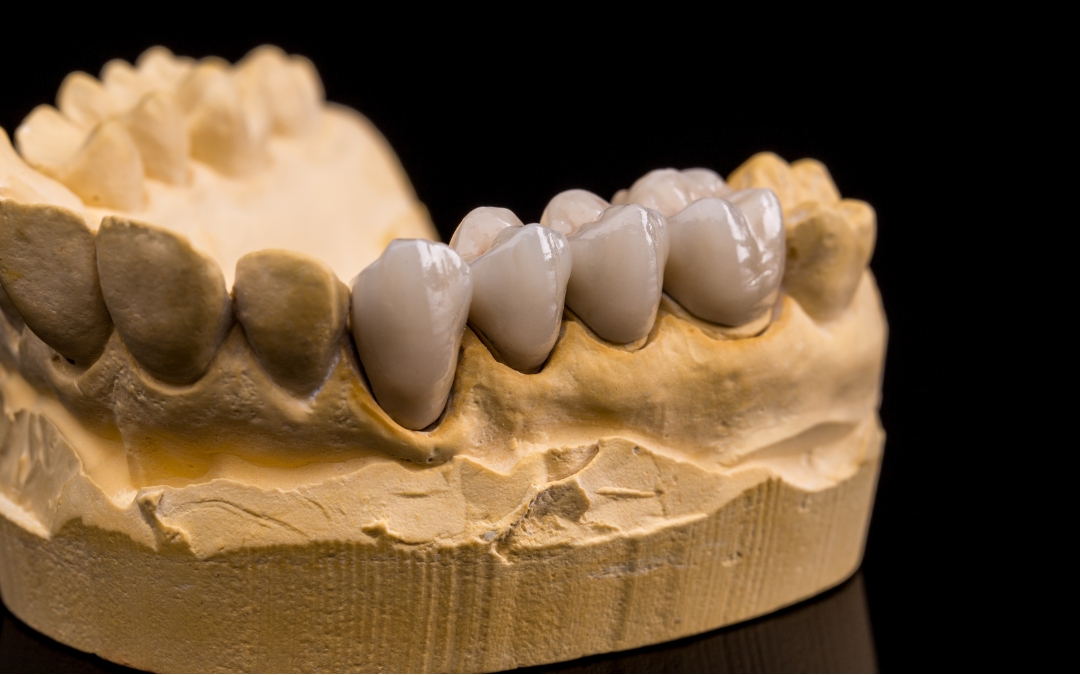
Having a crown already and then losing a nearby tooth can leave you wondering what happens next. You may ask yourself, “Can you get a dental bridge after a crown, or would I need to start over?”
In many cases, yes, you can get a dental bridge after a crown. However, the answer depends on the condition of the crowned tooth, the tooth underneath it, your gums, your bite, and where the missing tooth is located.
If you’re considering a dental bridge in Phoenix, understanding how an existing crown fits into the treatment can help you have a more informed conversation with your dental provider.
How Does a Dental Bridge Work With an Existing Crown?
A dental bridge replaces a missing tooth with an artificial tooth that is supported by nearby teeth or dental implants. With a traditional bridge, the teeth next to the gap provide the support needed to hold the replacement tooth in place.
So, what happens if one of those supporting teeth already has a crown?
An existing crown may sometimes be used as part of the bridge. In other situations, it may need to be replaced so the new restoration fits properly.
The important point is that having a crown does not automatically prevent you from getting a bridge.
Can a Crown Support a Dental Bridge?
Yes, a crowned tooth can potentially support a bridge when the tooth and surrounding tissues are healthy enough.
Before recommending treatment, your dentist will look at the condition of the existing crown and the natural tooth beneath it. A tooth that has good structural support and healthy surrounding bone and gums may be suitable.
On the other hand, if the crown is damaged, poorly fitting, or the tooth underneath has a problem, it may make more sense to address that issue before placing the bridge.
This is why an examination is more useful than simply looking at how old the crown is.
Does the Existing Crown Need to Be Replaced?
Not necessarily.
If the existing crown is in good condition and can work with the planned restoration, your dental provider may be able to incorporate it into the treatment. If its shape, fit, or condition is not suitable, replacing it may be recommended.
For example, a patient may have had a crown placed several years ago and later lose a neighboring tooth. The age of the crown alone does not determine whether it can be used. Its current condition matters much more.
That evaluation may include an examination, dental X-rays, and a look at how your teeth come together when you bite.
What Makes a Dental Bridge With a Crown a Good Option?
Several factors can influence whether a dental bridge with a crown is appropriate.
The Tooth Under the Crown
The crown is only part of the picture. Your dentist also needs to consider the natural tooth underneath it. If that tooth is weakened or has decay, it may not provide the support needed for a bridge.
Your Gums and Bone
Healthy supporting tissues matter because the bridge places functional demands on the teeth holding it in place.
Your Bite
Your bite can affect how much pressure reaches the bridge. If you regularly clench or grind your teeth, your provider may take that into consideration when planning your restoration.
The Location of the Missing Tooth
Replacing a front tooth and replacing a back tooth are not exactly the same. Back teeth generally experience greater chewing forces, so the design and materials may differ depending on the situation.
The American Dental Association notes that materials used for fixed bridges vary according to factors such as strength, location, and clinical needs.
What If Your Crown Is Several Years Old?
An older crown is not automatically a problem.
Dental restorations are exposed to everyday chewing, brushing, temperature changes, and normal wear. A crown that has been in place for years may still be functioning well, while a newer crown may have an issue that needs attention.
If you’re looking into dental bridges Phoenix patients commonly consider, your dental provider will generally focus on the condition of your teeth and restorations today rather than using the crown’s age as the deciding factor.
Bridge After Crown: What Should You Expect?
The exact process depends on your situation.
Your provider may first examine the existing crown and the surrounding teeth. If everything looks suitable, the bridge can be planned around the existing restoration.
If the crown needs to be replaced, the treatment may involve creating a new restoration that is designed to work as part of the bridge.
The goal is not simply to fill the gap. The bridge should also fit comfortably, function with your bite, and blend naturally with your surrounding teeth.
Our Phoenix dentist provides both crowns and bridgework as restorative treatment options for patients with damaged or missing teeth.
Is a Bridge the Only Option?
No. A bridge is one way to replace a missing tooth, but it is not the right choice for everyone.
Depending on your oral health and treatment goals, other possibilities may include an implant-supported restoration or a removable partial denture.
The best option depends on factors such as the condition of your neighboring teeth, bone support, overall oral health, personal preferences, and budget.
That’s why it is worth discussing the alternatives before committing to one approach.
Questions to Ask Before Getting a Bridge
If you already have a crown and are considering replacing a missing tooth, ask:
- Can my existing crown support the bridge?
- Is the tooth underneath the crown healthy?
- Will my crown need to be replaced?
- How will the bridge affect my bite?
- What type of bridge would work for me?
- Are there alternatives I should consider?
- What will my treatment involve from start to finish?
Having these answers can make the decision much easier.
Final Thoughts
So, can you get a dental bridge after a crown? In many situations, yes. An existing crown can sometimes become part of the support for a new bridge, but the decision should be based on the health and strength of the tooth, not simply the fact that a crown is already there.
If you’re in Phoenix and have a missing tooth next to an existing crown, Thomas Dental can evaluate your current restoration and explain whether a bridge or another replacement option makes sense for you.
Schedule an appointment to discuss your options.
Frequently Asked Questions
Can you get a dental bridge after a crown?
Yes. An existing crown does not automatically prevent you from getting a bridge. If the crowned tooth is healthy and strong enough, it may be incorporated into the bridge design.
Can a crowned tooth support a dental bridge?
It can, depending on the condition of the crown and the natural tooth underneath it. Your dentist will also consider the surrounding gums, bone, bite, and location of the missing tooth.
Will my old crown have to be removed?
Not always. If the crown is healthy and compatible with the planned bridge, it may be possible to use it. If it does not provide the right foundation, replacement may be recommended.
Is a bridge better than an implant?
Neither option is automatically better for every patient. Both can replace missing teeth, but they work differently. Your dental provider can explain which option fits your oral health and goals.