
Getting All-on-4 implants is a big decision. After going through treatment, you expect your new teeth to feel secure and comfortable. So when something suddenly feels different, it is easy to wonder, “Is this normal, or is something wrong?”
Not every problem means your implants have failed. All-on-4 implant problems can involve the restoration, bite, gums, or implant itself. Some are relatively minor and can be corrected, while others need to be evaluated sooner rather than later.
If you have all-on-4 implants in Phoenix, knowing what to watch for and how to respond can help you protect your investment and maintain your smile.
Common All-on-4 Implant Problems
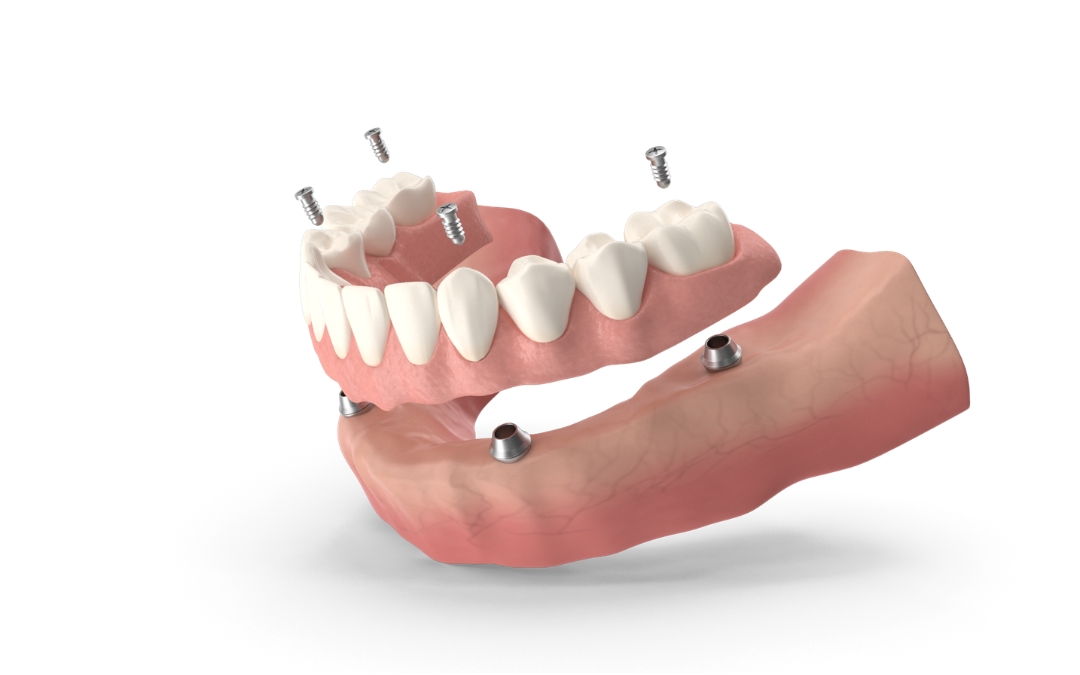
All-on-4 treatment uses four implants to support a fixed full-arch restoration. Since several components work together, an issue with one part can affect how the entire restoration feels.
A Loose or Shifting Restoration
If your teeth suddenly feel like they are moving when you chew or speak, don’t try to tighten or repair them yourself.
A loose feeling does not necessarily mean an implant has failed. A prosthetic screw, connection, restoration, or bite may be responsible. Your dental provider can determine what is actually causing the movement.
Gum Irritation or Bleeding
Occasional tenderness during healing can be expected, but ongoing bleeding, swelling, redness, or irritation around an implant should not simply be ignored.
Plaque and bacteria can contribute to inflammation around implants. Over time, untreated inflammation may affect the tissues supporting them.
Good daily oral hygiene is an important part of protecting your investment. The American Dental Association recommends regular brushing and individualized oral-care practices based on a person’s needs.
Changes in Your Bite
Your bite should feel comfortable and balanced. If one area suddenly seems to hit first, chewing feels uneven, or you notice increased pressure on one side, schedule an evaluation.
Uneven forces can contribute to mechanical problems involving an implant-supported restoration. Your provider may be able to correct the problem with a relatively simple adjustment.
Chipping or Damage to the Restoration
A chip or fracture in the prosthetic teeth can be alarming, but it does not automatically mean the implants underneath are damaged.
This is an important distinction when talking about all-on-4 dental implant complications. Mechanical complications involving the restoration are different from biological complications involving the implant or surrounding tissues.
What Should You Do if Something Feels Wrong?
The first step is simple: don’t ignore a noticeable change.
Take Note of the Problem
Think about what changed and when you first noticed it.
Is the restoration moving? Are your gums bleeding? Does chewing hurt? Did part of the restoration chip? Does your bite feel different?
These details can help your dental provider understand what may be happening.
Contact Your Dental Office
An examination can help determine whether the problem is related to the restoration, implant, surrounding tissue, or bite.
Depending on your symptoms, the evaluation may include an examination of the gums, checking the restoration and bite, and dental imaging when appropriate.
Don’t Try a Home Repair
Avoid using glue, tools, or other household products to fix a loose restoration. A temporary-looking solution can make a dental problem more difficult to diagnose or repair properly.
Follow the Recommended Treatment
Treatment depends on the cause. It might involve cleaning and improved home care, adjusting the bite, repairing the restoration, replacing a component, or treating inflammation around an implant.
The goal is not simply to address the symptom but to identify why it happened.
How Common Are All-on-4 Implant Complications?
Research suggests that All-on-4 treatment generally has high implant survival, although complications can still occur.
A 2026 systematic review and meta-analysis covering 55 studies found a pooled long-term implant survival rate of 98.14% for All-on-4 implants at five years or longer. The analysis reported mechanical complications in approximately 5.91% of cases and biological complications in approximately 6.54%.
These numbers offer useful perspective: complications are possible, but experiencing a problem does not automatically mean the entire treatment has failed.
Why Dental Implant Maintenance Matters
Once your All-on-4 restoration is in place, care doesn’t stop.
Food debris and plaque can collect around areas that are difficult to reach with a standard toothbrush. Your dental team may recommend specific brushes, flossing aids, water irrigation, or other cleaning methods based on your restoration.
Regular maintenance appointments also allow your Phoenix dentist to monitor the implants and restoration and identify changes before they become larger problems.
In Phoenix, keeping those appointments on your calendar can be especially helpful when everyday work, travel, and family schedules make routine dental care easy to postpone.
Problems With All-on-4 Implants: Can They Be Prevented?
There is no way to guarantee that complications will never happen. However, you can take practical steps to support long-term results:
- Clean around your restoration every day.
- Follow the maintenance plan recommended by your dental team.
- Attend scheduled follow-up visits.
- Tell your provider about changes in your bite or restoration.
- Avoid trying to repair loose or damaged components yourself.
- Follow recommendations regarding foods and habits that could place excessive force on the restoration.
Consistent dental implant maintenance gives your dental team an opportunity to monitor both your implants and your restoration over time.
Final Thoughts
When something changes with your All-on-4 restoration, it is natural to worry. But a problem does not automatically mean that your treatment has failed. The important thing is to find out what is causing the change instead of trying to work around it.
Whether you have noticed discomfort, looseness, irritation, or a change in how your restoration feels, an evaluation can provide a clearer answer and help you decide what to do next.
If you are in Phoenix and have concerns about your All-on-4 restoration, Thomas Dental can help evaluate the issue and discuss appropriate next steps.
Schedule an appointment to have your All-on-4 implants evaluated.
Frequently Asked Questions
Can All-on-4 implants fail?
Yes, implant failure is possible. However, a restoration problem does not necessarily mean the implants have failed. An examination is needed to identify the cause.
What are the most common All-on-4 implant issues?
Common concerns include restoration looseness, chipping or fracture, changes in the bite, gum inflammation, and other mechanical or biological complications.
Can a damaged All-on-4 restoration be repaired?
In some cases, yes. Depending on the damage, a dental professional may repair or replace a prosthetic component without replacing the implants themselves.
How can I protect my All-on-4 implants?
Daily cleaning, professional maintenance, regular examinations, and addressing changes early can all support long-term implant health.