
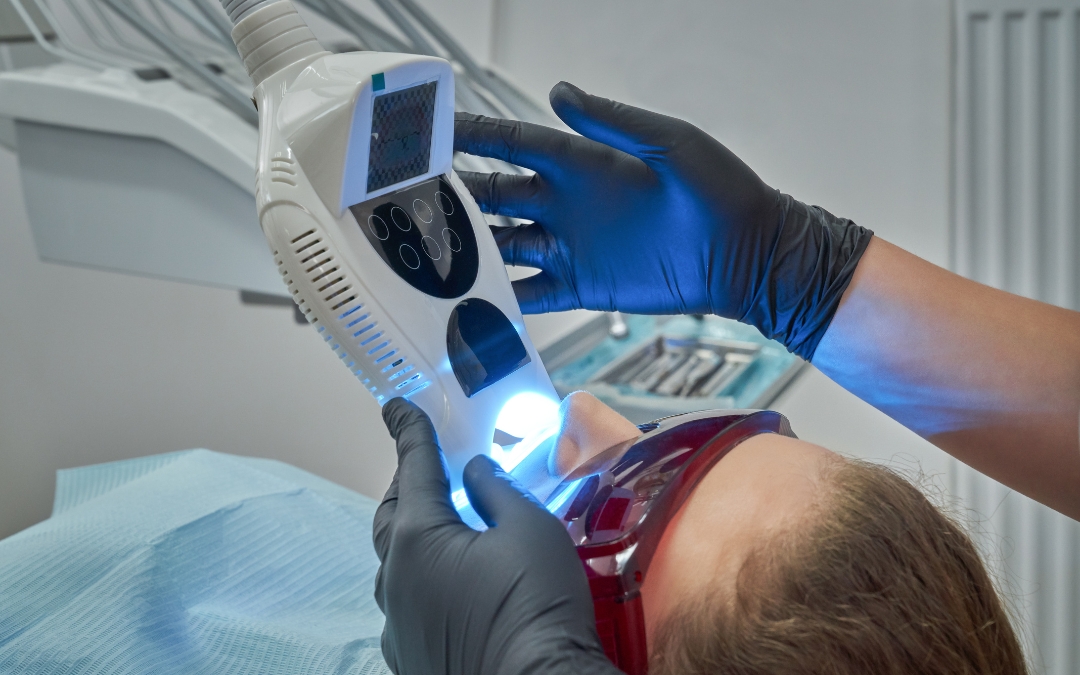
Many people are excited to see a brighter smile after whitening their teeth, but that excitement can quickly fade if their gums start feeling sore, tender, or irritated. While teeth whitening is generally considered safe, it can sometimes leave the soft tissues in your mouth feeling uncomfortable, especially when whitening gel reaches areas it shouldn’t.
If you’ve recently whitened your teeth and noticed a burning sensation around your gums, don’t panic. In most cases, the irritation is temporary and improves within a short period. Understanding why it happens and knowing how to care for your gums can make the recovery process much easier.
The tissues that make up your gums are far more delicate than tooth enamel. Whitening products are designed to target stains on the surface of teeth, not soft tissue. When bleaching ingredients accidentally touch the gums, they can temporarily irritate the area, leading to discomfort, sensitivity, or a mild burning feeling.
For patients considering teeth whitening Phoenix dental professionals offer, one of the biggest advantages of professional treatment is the extra care taken to protect gum tissue during the whitening process. This helps reduce the chances of unnecessary irritation while still producing noticeable results.
What Does Whitening-Related Gum Irritation Feel Like?
Everyone experiences sensitivity differently, but some common signs include:
- A tingling or burning feeling near the gumline
- Tenderness when eating or drinking
- Slight swelling around certain teeth
- Areas of the gums that appear lighter in color than usual
- Temporary soreness while brushing
These symptoms are usually mild and short-lived. However, if discomfort continues or worsens, it is important to seek professional advice.
Ways to Help Your Gums Feel Better
Give Your Mouth Time to Recover
One of the simplest things you can do is stop using whitening products for a few days. Continuing treatment while your gums are irritated may prolong the healing process.
Choose Gentle Foods
For a day or two, stick with foods that are less likely to irritate sensitive tissues. Soft foods such as yogurt, oatmeal, eggs, and soups can be more comfortable than spicy, crunchy, or acidic options.
Rinse Your Mouth Regularly
A gentle warm-water rinse can help keep your mouth comfortable. Some people also find that a mild saltwater rinse helps soothe irritated areas and supports natural healing.
Stay Well Hydrated
Dry tissues can feel more irritated. Drinking water throughout the day helps keep your mouth moist and can wash away lingering whitening residue.
Be Extra Gentle With Oral Hygiene
Keeping your mouth clean remains important, but avoid scrubbing your gums. A soft toothbrush and gentle brushing motions can help prevent additional irritation.
If symptoms don’t improve after several days, scheduling an evaluation with a dentist Phoenix, AZ patients trust can help determine whether another issue may be contributing to the discomfort.
Why Some People Experience More Irritation Than Others
Not everyone reacts to whitening products the same way. Several factors can increase the likelihood of gum sensitivity, including:
Existing Gum Inflammation
If your gums are already irritated because of gingivitis or another dental concern, whitening products may cause more noticeable discomfort.
Poorly Fitting Whitening Trays
When trays don’t fit correctly, whitening gel can leak onto the gums and remain there longer than intended.
Frequent Whitening Treatments
Using whitening products too often can place unnecessary stress on both your teeth and your gums.
Higher-Strength Whitening Formulas
Stronger products may provide faster results, but they can also increase the risk of sensitivity in some individuals.
Professional Whitening Offers Added Protection
At Thomas Dental, patient comfort is a priority. Professional whitening treatments are carefully planned to reduce exposure of the gums to whitening agents while helping patients achieve the brighter smile they want.
Professional treatment provides several benefits:
- Customized whitening plans
- Better protection for sensitive tissues
- Close supervision throughout treatment
- Guidance for patients with a history of sensitivity
- More predictable cosmetic results
For many patients, professional whitening offers a balance between safety and effectiveness that is difficult to achieve with over-the-counter products.
Keeping Your Smile Bright Without Overdoing Whitening
A healthy smile doesn’t always require frequent whitening treatments. Small daily habits can make a big difference in maintaining results.
Try to:
- Drink water after coffee, tea, or dark-colored beverages
- Maintain a consistent brushing and flossing routine
- Visit your dentist for regular cleanings
- Avoid tobacco products
- Follow your dentist’s recommendations regarding whitening frequency
These habits can help preserve your results while reducing the need for repeated whitening sessions.
Final Thoughts
A little gum sensitivity after teeth whitening can be unsettling, but it is usually temporary and manageable. Giving your gums time to recover, practicing gentle oral care, and choosing whitening methods that prioritize safety can help you enjoy a brighter smile without unnecessary discomfort.
If whitening treatments consistently cause irritation or if symptoms linger longer than expected, a professional evaluation can help identify the best solution for your needs and protect your long-term oral health.
Schedule an appointment with Thomas Dental today and let our team help you achieve a brighter, healthier smile with whitening solutions designed around your comfort and oral health needs.
Frequently Asked Questions
Can whitening products damage my gums permanently?
Permanent damage is uncommon. Most whitening-related irritation is temporary and resolves once the gums are no longer exposed to the whitening agent.
How long should I wait before whitening again after gum irritation?
It is generally best to wait until all signs of irritation have disappeared and to consult your dentist before restarting treatment.
Are some people naturally more sensitive to whitening products?
Yes. Individuals with sensitive teeth, existing gum inflammation, or thin gum tissue may notice stronger reactions to whitening products.
Is professional whitening a better option for sensitive gums?
Many patients with sensitivity find professional whitening more comfortable because protective measures are used to limit contact between whitening agents and gum tissue.
When should I contact a dentist about burning gums?
If pain becomes severe, symptoms worsen, or irritation does not improve after several days, contact your dental provider for an examination.