
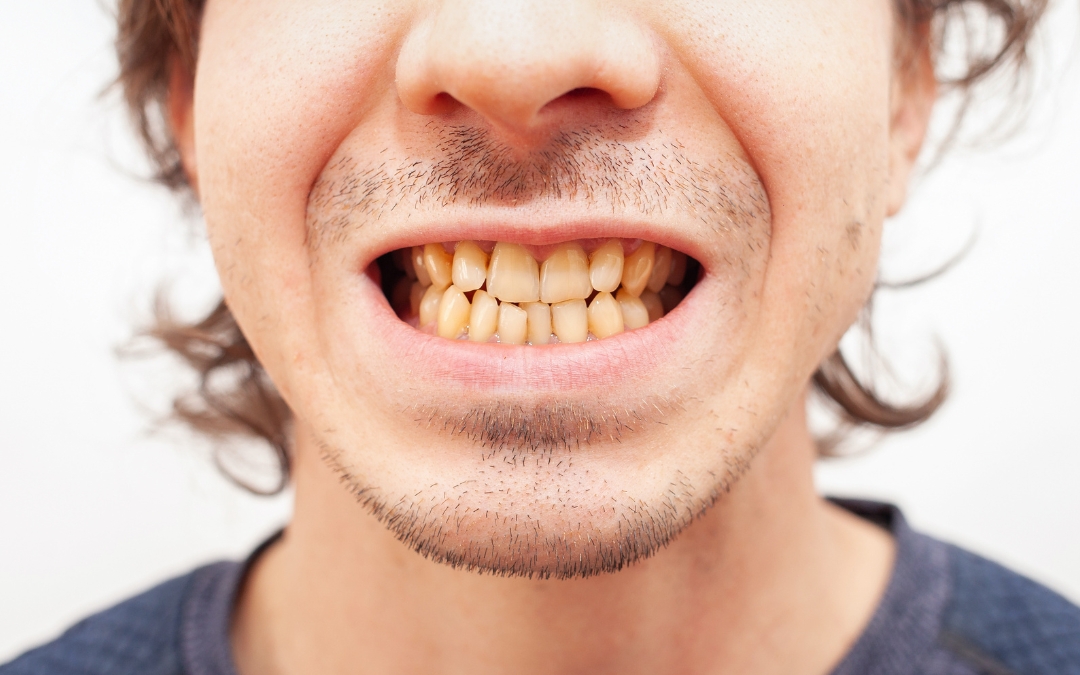
Yellow teeth are a common concern for many people, and the good news is that—yes—most cases of tooth discoloration can be improved or reversed. Whether the change is caused by daily habits, aging, or deeper dental concerns, there are several ways to bring back a brighter smile. Understanding what leads to that yellow tone can help you choose the right approach for whitening.
For individuals curious about brighter teeth, modern options like teeth whitening Phoenix treatments offer safe, effective ways to reverse stains. These treatments are especially helpful for surface discoloration caused by food, drinks, or everyday habits.
If you’ve noticed your teeth turning dull or yellow over time, you’re certainly not alone. Many people experience discoloration due to lifestyle choices or natural changes in their enamel. Luckily, with the right care—and advances in cosmetic dentistry—whitening is more accessible than ever.
What Causes Teeth to Turn Yellow?
Poor Oral Hygiene
Skipping proper brushing or flossing allows plaque and tartar to build up, which can make teeth appear yellow or darkened.
Staining Foods and Beverages
Coffee, tea, red wine, and tobacco are well-known culprits that create extrinsic stains on the enamel, gradually changing the tooth’s appearance.
Natural Aging
As enamel thins with age, the underlying dentin becomes more visible. Since dentin is naturally yellow, older adults often experience deeper discoloration.
Medications
Certain medications, especially tetracycline used during childhood, may cause long-term changes in tooth color.
Genetics and Health Conditions
Some people naturally have thinner enamel or conditions like enamel hypoplasia, which can make teeth appear more yellow from childhood.
Home Remedies for Whitening Teeth
While home remedies cannot replace professional care, some people find these options helpful for mild, surface-level stains:
-
Baking Soda & Hydrogen Peroxide Paste: Acts as a mild abrasive to lift surface stains.
-
Oil Pulling: Swishing with coconut oil may help remove bacteria and freshen breath.
-
Strawberries & Baking Soda Mix: The malic acid in strawberries can help break down stains, though it should be used sparingly.
-
Activated Charcoal: May help absorb stains but must be used carefully to avoid enamel erosion.
-
Diluted Apple Cider Vinegar Rinse: Can fade stains but should not be overused due to its acidity.
Professional Whitening Options
As discoloration becomes more noticeable, many people turn to dental treatments for longer-lasting or more dramatic results. A dentist in Phoenix may recommend one or more of the following options depending on the cause of discoloration:
In-Office Whitening
Professional bleaching systems use concentrated whitening agents that lift stains quickly—often within a single session.
Custom Take-Home Trays
These dentist-supervised kits provide stronger results than store-bought products and allow whitening at a comfortable pace.
Laser or Light-Activated Whitening
LED or laser technology enhances the whitening gel’s effectiveness and accelerates results.
Prescription Whitening Toothpaste
Formulated with higher-strength ingredients for ongoing stain reduction.
Porcelain Veneers
For deep or permanent stains that do not respond to whitening, veneers offer a durable cosmetic solution that transforms the appearance of the smile.
Natural Ways to Prevent Yellowing
Consistent care plays a major role in keeping stains away:
-
Brush twice daily and floss to prevent plaque buildup.
-
Cut back on coffee, tea, red wine, and tobacco to reduce staining.
-
Eat crunchy fruits and vegetables to help clean the tooth surface naturally.
-
Stay hydrated to wash away food particles and maintain saliva flow.
-
Use a straw when enjoying stain-causing beverages.
Tips for Maintaining a Whiter Smile
Even after whitening, teeth can stain again. These habits help keep your results looking fresh:
-
Stick to a daily oral hygiene routine.
-
Schedule regular cleanings to reduce tartar and surface stains.
-
Rinse your mouth with water after eating or drinking dark-colored foods.
-
Avoid smoking or vaping, which significantly darken teeth over time.
With the right approach, a brighter smile is achievable—and maintainable—for most people. If you’re ready to explore your options or want to know which whitening method is safest for you, schedule an appointment today to get started.
Frequently Asked Questions
Can yellow teeth become fully white again?
In most cases, yes. Surface stains typically respond well to professional whitening, while deeper discoloration may require veneers or bonding.
How long does teeth whitening last?
Results often last several months to a few years, depending on lifestyle habits like coffee consumption and oral hygiene.
Are home whitening remedies safe?
Some remedies are safe when used carefully, but overuse can damage enamel. It’s best to consult a dentist for guidance.
Do whitening treatments cause sensitivity?
Some people experience temporary sensitivity. Professional treatments often include desensitizing agents to reduce discomfort.
Are teeth whitening Phoenix treatments better than store-bought kits?
Professional whitening is typically stronger, safer, and more predictable compared to over-the-counter options.
What if my stains don’t respond to whitening?
A dentist may recommend veneers, bonding, or other cosmetic solutions for intrinsic or long-standing discoloration.