
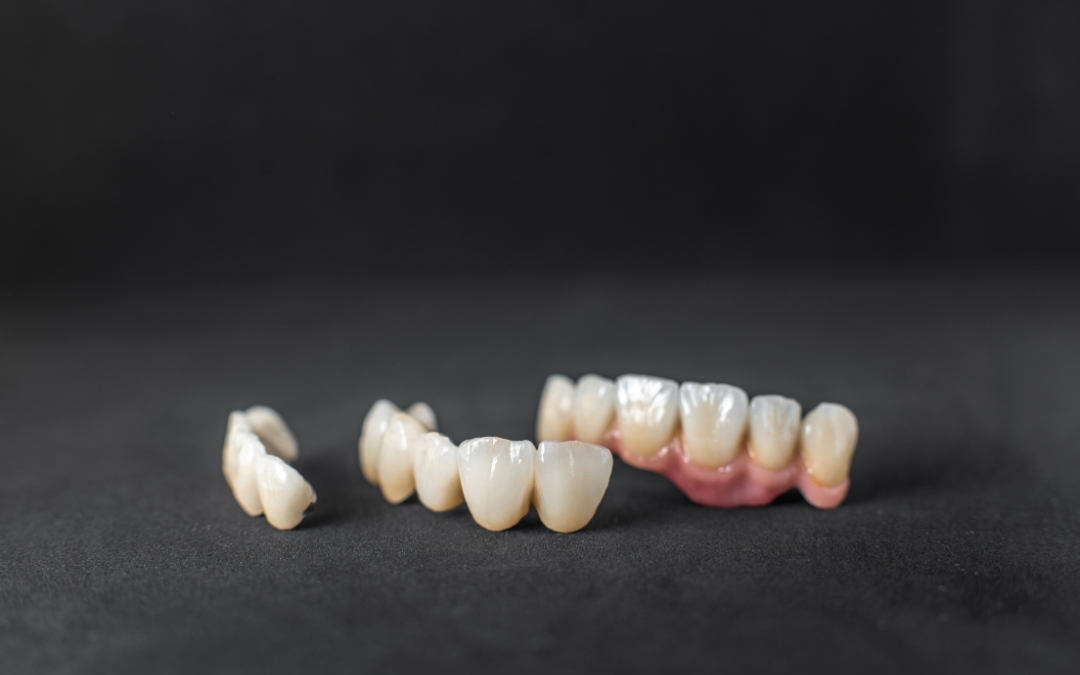
A temporary crown can give you peace of mind while you wait for your permanent restoration. But if it suddenly cracks, becomes loose, or falls out while you are eating, it can be difficult to know what to do next. Although a damaged temporary crown may not always cause immediate pain, leaving the tooth unprotected can create additional problems.
Temporary crowns have an important job. They cover and protect the prepared tooth, reduce sensitivity, help maintain the tooth’s shape, and keep nearby teeth from moving while your permanent crown is being made. That is why a broken temporary crown should not simply be ignored.
Temporary crowns are generally made from materials such as acrylic or composite resin. These materials are intended for short-term use and are not designed to withstand the same forces as a permanent crown. Hard foods, sticky snacks, teeth grinding, accidental impact, and normal daily chewing can sometimes cause a temporary crown to crack or come loose.
If you are looking for dental crowns Phoenix patients can rely on, it is important to understand that the temporary stage is part of the overall restoration process. Taking care of the temporary crown helps protect the tooth and gives your dentist a better opportunity to complete the final restoration as planned.
How Can You Tell That a Temporary Crown Has Broken?
A damaged temporary crown may be obvious, especially if a portion of it has broken away or the entire crown has fallen out. In other cases, the problem may be less noticeable. You might feel a sharp or rough edge, experience sensitivity when eating or drinking, or notice that the crown feels different when you bite down.
Some people do not experience any discomfort at all. However, the absence of pain does not necessarily mean that the tooth is adequately protected. Once the temporary crown is damaged or missing, the underlying tooth may be exposed to food, bacteria, temperature changes, and chewing forces.
What Should You Do When Your Temporary Crown Breaks?
Knowing how to respond can help protect the tooth until your dental office can evaluate the situation.
Find the Crown If It Has Come Off
If the temporary crown has completely fallen out, look for it rather than throwing it away. Rinse it carefully with lukewarm water to remove debris. Avoid scrubbing it aggressively or using very hot water, as this could damage the material.
Place the crown in a clean container and bring it to your dental appointment. Your dentist can determine whether it is still suitable for reuse or whether a replacement is needed.
Keep the Exposed Tooth Protected
Once the temporary crown is gone, the tooth underneath may become more sensitive than usual. Avoid touching the area unnecessarily and keep it clean with gentle brushing.
For short-term protection, an over-the-counter temporary dental cement product may sometimes be appropriate. Dental wax can also help cover a sharp edge that is irritating your cheek or tongue. These measures are temporary and should not replace an examination by your dentist.
Do not use household glue or other non-dental adhesives to put the crown back in place.
Change What You Eat Until You Are Seen
Try not to chew on the side where the temporary crown has broken. Hard, crunchy, sticky, and chewy foods can place additional pressure on the exposed tooth or cause a loose crown to move again.
Choose softer foods and take smaller bites when possible. Avoid foods such as caramel, chewing gum, hard nuts, ice, and other items that require significant chewing force.
Pay Attention to Grinding or Clenching
Repeated pressure from nighttime grinding or daytime clenching can contribute to temporary crown damage. If you know that you grind your teeth, mention it to your dentist.
A dentist can determine whether a protective appliance or other approach is appropriate for your situation. Do not assume that any nightguard will fit properly over a temporary crown.
Manage Any Sensitivity Carefully
A newly exposed tooth may react to hot, cold, sweet, or acidic foods and drinks. Keeping the area protected and avoiding triggers can reduce discomfort while you wait for professional care.
If you normally take over-the-counter pain medication and it is safe for you to do so, follow the product’s directions. A warm saltwater rinse may also help soothe irritated gum tissue. Persistent, severe, or worsening pain should be reported to your dentist rather than managed only at home.
Call Your Dentist as Soon as Possible
Even when a broken temporary crown does not hurt, contact your dental office promptly. Your Phoenix dentist can assess the condition of the temporary crown, the tooth underneath it, and the surrounding tissues.
Prompt attention can help prevent the temporary problem from interfering with the next stage of treatment.
How Will Your Dentist Treat a Broken Temporary Crown?
The appropriate solution depends on the condition of the crown and the tooth beneath it. Your dentist will typically examine the area before deciding what should happen next.
Re-cementing the Existing Crown
If the temporary crown is still intact and fits properly, it may be possible to clean it and secure it back onto the tooth.
Making a New Temporary Crown
A temporary crown that is cracked, badly damaged, distorted, or no longer fits correctly may need to be replaced. Your dentist can create another temporary restoration to keep the tooth protected while you wait for the permanent crown.
Placing the Permanent Crown
In some situations, the permanent crown may already be ready or the treatment schedule may allow it to be placed sooner. Your dentist will determine whether moving forward with the final restoration is appropriate.
Checking the Bite and Fit
Your dentist may also evaluate how your teeth come together when you bite. An improper bite can place excessive pressure on a temporary crown and may contribute to repeated loosening or breakage. Making sure the restoration fits comfortably is an important part of protecting the tooth.
Why Should You Avoid Waiting Too Long?
It can be tempting to leave a broken temporary crown alone if you are not experiencing pain. However, the temporary restoration serves a protective purpose, and prolonged exposure can make the tooth more vulnerable.
Without adequate protection, the prepared tooth may become increasingly sensitive or susceptible to decay. Nearby teeth can also move into the open space, potentially making it more difficult for the permanent crown to fit correctly.
In addition, continued chewing on an inadequately protected tooth can place unnecessary stress on the remaining tooth structure. What begins as a damaged temporary crown may therefore require additional treatment if it is left unattended.
How Can You Protect a Temporary Crown?
Once your temporary crown has been repaired or replaced, a few simple habits can help it remain secure until your permanent restoration is ready:
- Avoid chewing ice and other extremely hard foods.
- Limit sticky foods that can pull on the crown.
- Chew on the opposite side when possible.
- Brush gently around the crowned tooth.
- Floss carefully rather than snapping the floss upward around the crown.
- Tell your dentist if the crown feels loose or your bite suddenly feels different.
- Contact your dental office if the crown cracks, shifts, or falls out again.
Temporary crowns are designed to bridge the gap between tooth preparation and your final restoration. They may not have the strength or longevity of a permanent crown, but they still play an important role in protecting your tooth during treatment.
Take Care of Your Temporary Crown Until Your Final Restoration
A temporary crown may only be part of your overall treatment, but it plays an important role in keeping your prepared tooth protected. If it cracks or comes loose, save the crown if possible, protect the tooth, avoid foods that could make the problem worse, and contact your dental office.
Getting the issue addressed promptly can help keep your treatment on track and give your permanent restoration the best possible foundation. Schedule an appointment with Thomas Dental today for professional care if your temporary crown has broken, loosened, or fallen out.
Frequently Asked Questions
Can I put my temporary crown back myself?
If a temporary crown has completely come off, keep it clean and bring it to your dentist. Although some temporary dental cement products are available for short-term use, it is better to have your dentist evaluate the crown and tooth before attempting to secure it.
Is a broken temporary crown a dental emergency?
Not every broken temporary crown requires emergency treatment, particularly if there is no significant pain, swelling, bleeding, or injury. However, you should contact your dental office promptly so the tooth does not remain unprotected longer than necessary.
What should I eat after my temporary crown breaks?
Choose soft foods that require minimal chewing and use the opposite side of your mouth. Avoid sticky, hard, crunchy, and chewy foods until your dentist has repaired or replaced the temporary crown.
Can I brush my teeth if my temporary crown falls out?
Yes. Continue maintaining good oral hygiene, but brush gently around the affected tooth. Keeping the area clean can help reduce the buildup of food and bacteria while you wait for dental care.
How long can I leave a temporary crown off?
There is no universal safe time period because the condition of the prepared tooth and the reason for the crown vary from person to person. Contact your dentist as soon as possible rather than intentionally leaving the tooth uncovered.
Why does my temporary crown keep falling out?
A temporary crown may repeatedly loosen because of the way you bite, inadequate retention, sticky foods, grinding or clenching, or changes to the crown or tooth. Your dentist can determine why it is coming loose and decide whether it needs adjustment or replacement.
Can a broken temporary crown damage my tooth?
A damaged or missing temporary crown can leave the prepared tooth more exposed to sensitivity, bacteria, and chewing forces. Prompt dental evaluation helps reduce the chance of additional complications.