
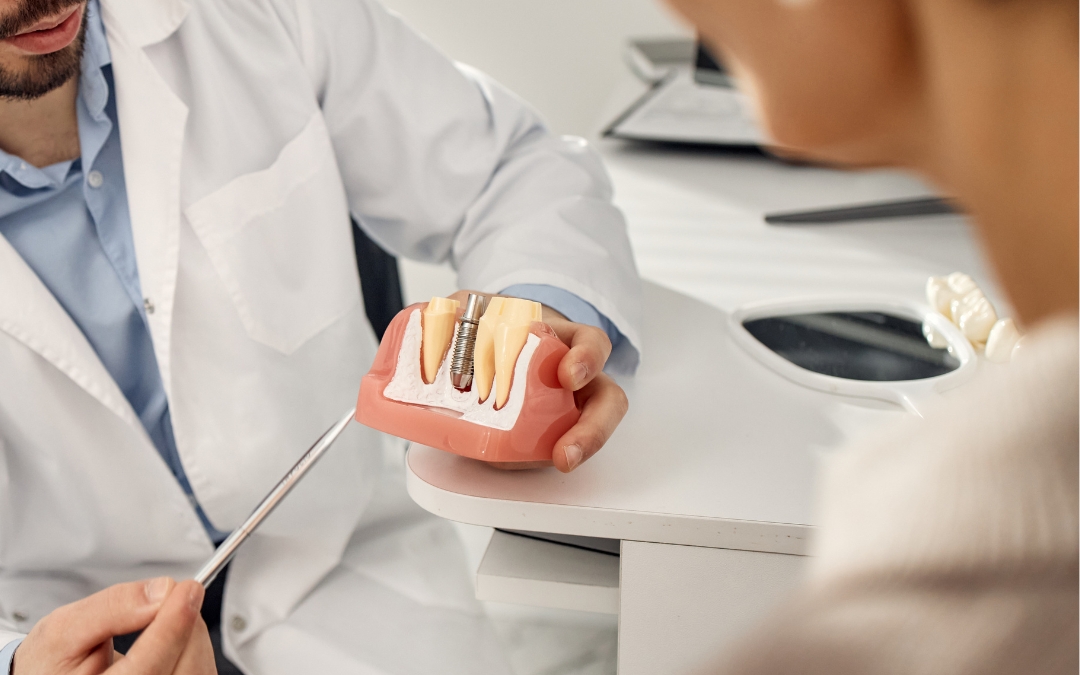
If you’ve been told you need a bone graft, it’s easy to assume it automatically leads to a dental implant. But real life isn’t always that straightforward. Some people choose to wait, while others decide not to get an implant at all. So what does that mean for the bone graft you’ve already had? Let’s walk through it in a simple, honest way.
Why a Bone Graft Is Recommended
Your jawbone isn’t static—it needs stimulation to stay strong. When a tooth is missing, that area no longer gets the pressure it needs from chewing, and the bone can slowly shrink. This can happen after tooth loss, gum disease, injury, or even years of wearing dentures.
A bone graft is done to rebuild that lost support. Think of it as giving your body a starting point to grow new bone where it’s needed. While it’s often done before placing an implant, it can also be helpful on its own just to protect your jaw from further changes.
What Actually Happens After a Bone Graft?
Once the graft is placed, your body takes over. Over time, the material used in the graft blends with your natural bone and is gradually replaced by new bone tissue. This process doesn’t depend on whether you get an implant or not.
Even if you decide not to move forward with dental implants Phoenix, the graft still serves a purpose. It helps hold the structure of your jaw in place and slows down the kind of bone loss that can affect your facial shape and oral function.
Why the Bone Graft Still Matters
A lot of people worry that skipping the implant means the graft was unnecessary. That’s not really the case. There are still some meaningful benefits:
It Helps Maintain Your Facial Shape
Bone loss in the jaw can lead to a sunken or aged look over time. A graft helps support your natural facial contours.
It Can Make Dentures More Comfortable
If you wear dentures now or plan to in the future, having stronger bone underneath can make them fit better and feel more stable.
It Supports Everyday Activities
Chewing and speaking rely on a stable jaw. Strengthening the bone can make these basic functions feel more natural.
It Keeps Nearby Teeth More Secure
When bone weakens in one spot, it can affect the teeth around it. A graft helps keep that area more stable.
What to Consider If You Skip the Implant
That said, it’s fair to understand what might happen if you leave the space empty long term:
The Bone May Still Shrink Gradually
Even with a graft, the absence of a tooth root or implant means the bone isn’t being fully stimulated. Over time, some reduction in volume can still happen.
Teeth Can Drift Into the Gap
Nature doesn’t like empty space. Neighboring teeth may slowly move, which can affect your bite.
Gum Changes Are Possible
You might notice slight gum recession in that area over the years, especially if nothing replaces the missing tooth.
Other Ways to Replace Missing Teeth
If implants don’t feel like the right fit for you right now, you’re not out of options. A skilled dentist in Phoenix, AZ can help you choose something that works for your lifestyle and comfort:
Dental Bridges
These use nearby teeth to support a replacement tooth and close the gap.
Removable Dentures
Today’s dentures are more natural-looking and comfortable than many people expect, especially with good bone support.
Keeping the Door Open for Later
One of the advantages of having a bone graft is that it keeps your options open. If you change your mind later, you may still be able to get an implant.
Final Thoughts
Choosing not to get an implant after a bone graft doesn’t mean the procedure was wasted. Your jawbone still benefits from the added strength and support, and it can make a difference in how your mouth feels and functions over time.
At Thomas Dental, the goal is to help you make decisions that feel right for you—not to rush you into treatment you’re unsure about. Schedule an appointment today to talk through your options and plan what’s best for your long-term oral health.
Frequently Asked Questions
If I don’t get an implant, does the bone graft fail?
No, it doesn’t fail. The graft still integrates with your bone and helps maintain its structure.
Will my jawbone stay the same forever after a graft?
Not exactly. The graft helps slow bone loss, but some gradual changes can still happen over time.
Can I get an implant later if I change my mind?
In many cases, yes. As long as the bone remains healthy, an implant may still be an option.
Is it okay to leave the space empty?
It can be, but it may lead to shifting teeth or bite issues over time. It’s best to discuss your situation with a dentist.
Do I still need follow-up care after a bone graft?
Yes, regular dental visits help ensure the area heals properly and stays healthy.