
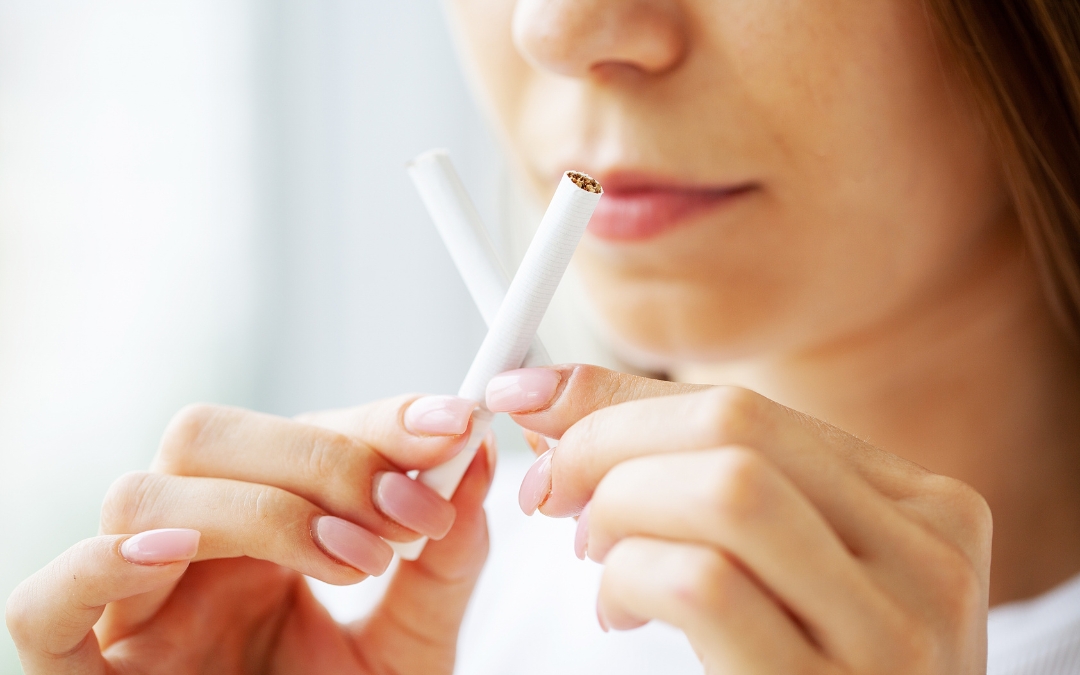
Dental implants can completely change the way your smile looks and feels. They replace missing teeth, improve chewing, and help restore confidence in everyday life. But once the procedure is done, the recovery period becomes extremely important. Many patients ask the same question after surgery: “How soon can I smoke again?”
Although it may seem harmless, smoking too early after implant placement can create problems that affect healing and even the success of the implant itself. Giving your mouth enough time to recover can help protect your results and prevent unnecessary complications later on.
Why Smoking Is a Problem After Implant Surgery
Your body begins healing immediately after a dental implant is placed. The gums need to repair themselves, and the jawbone must slowly attach to the implant so it becomes stable and secure. This natural process takes time and depends heavily on healthy blood circulation.
Smoking makes healing more difficult because nicotine limits blood flow to the gums. Less oxygen reaches the surgical area, which can slow tissue repair and weaken the body’s ability to fight infection. Tobacco smoke can also irritate sensitive tissues that are already trying to heal.
People considering dental implants Phoenix procedures are often advised to avoid smoking because it can reduce the chances of a smooth recovery and long-lasting results.
How Long Should You Stay Away From Smoking?
There is no exact timeline that works for every patient, but dentists agree that avoiding cigarettes for as long as possible after surgery is one of the best things you can do for your implants.
The First Three Days Are Critical
The first 72 hours after surgery are especially important. During this time, the body is forming clots and beginning the healing process. Smoking during these early days may disturb healing and increase the risk of infection or implant failure.
Healing Continues During the First Few Weeks
Even if your mouth starts feeling better, the tissues underneath are still recovering. Smoking can irritate the gums and slow down the body’s natural repair process.
Bone Healing Takes Longer
Dental implants are different from many other dental treatments because the implant must connect with the jawbone over time. This process, known as osseointegration, can take several weeks or even months. Smoking during this stage may weaken the bond between the implant and the bone.
Many dental professionals recommend avoiding smoking for at least two to three months after implant surgery whenever possible.
Can Smoking Damage Dental Implants?
Yes, it can. Smoking is considered one of the major risk factors linked to implant complications. Because healing becomes slower and less effective, smokers may experience more issues during recovery compared to non-smokers.
Some possible complications include:
- Swelling and irritation around the implant area
- Increased risk of infection
- Delayed gum healing
- Weak bone support around the implant
- Implant loosening over time
A skilled Phoenix dentist will usually discuss smoking habits before treatment because lifestyle choices can affect how well implants heal and how long they last.
Helpful Ways to Support Healing
Quitting smoking completely is always the best option for your oral and overall health. However, if stopping permanently feels difficult, there are still ways to reduce stress on your mouth during recovery.
Keep Your Mouth Hydrated
Smoking often leads to dry mouth, which may make healing more uncomfortable. Drinking enough water can help keep tissues healthier while you recover.
Follow Cleaning Instructions Carefully
Keeping the implant area clean lowers the chance of infection. Brush gently, rinse as directed, and avoid putting pressure on the healing site.
Avoid Smoking and Alcohol Together
Both can irritate healing tissues. Using them together after surgery may make recovery even more difficult.
Attend Follow-Up Visits
Your dentist needs to monitor how the implant is healing. Regular appointments can help catch problems early before they become more serious.
Try Temporary Alternatives
Some patients use nicotine patches during recovery to help reduce cigarette use. Always check with your dentist before using nicotine replacement products.
Protecting Your Investment
Dental implants are designed to last for many years, but healing plays a major role in their long-term success. Choosing to stay smoke-free during recovery gives your gums and jawbone a stronger chance to heal properly.
Even a short break from smoking can improve circulation, reduce irritation, and help your mouth recover more comfortably after surgery.
Begin Your Smile Transformation with Thomas Dental
Recovering from implant surgery requires patience and proper care. Smoking too soon after treatment may increase the risk of healing problems and implant failure. Waiting longer before returning to cigarettes can help protect your results and support a healthier recovery.
If you are thinking about improving your smile with dental implants, Thomas Dental is here to guide you through every step of the process. Schedule an appointment today to learn more about your options and receive personalized care for a healthier, confident smile.
Frequently Asked Questions
Is smoking after dental implants dangerous?
Smoking can slow healing, reduce blood flow, and increase the chances of infection or implant failure after surgery.
How long should I wait before smoking again?
Most dentists recommend avoiding smoking for at least 8 to 12 weeks to allow proper healing and bone integration.
Can one cigarette affect healing?
Even occasional smoking may irritate the gums and interfere with the recovery process during the early stages of healing.
Are implants less successful in smokers?
Smokers generally face a higher risk of complications because smoking affects bone healing and gum health.
Can quitting smoking improve implant success?
Yes. Stopping smoking before and after surgery can greatly improve healing and help implants remain stable for many years.