
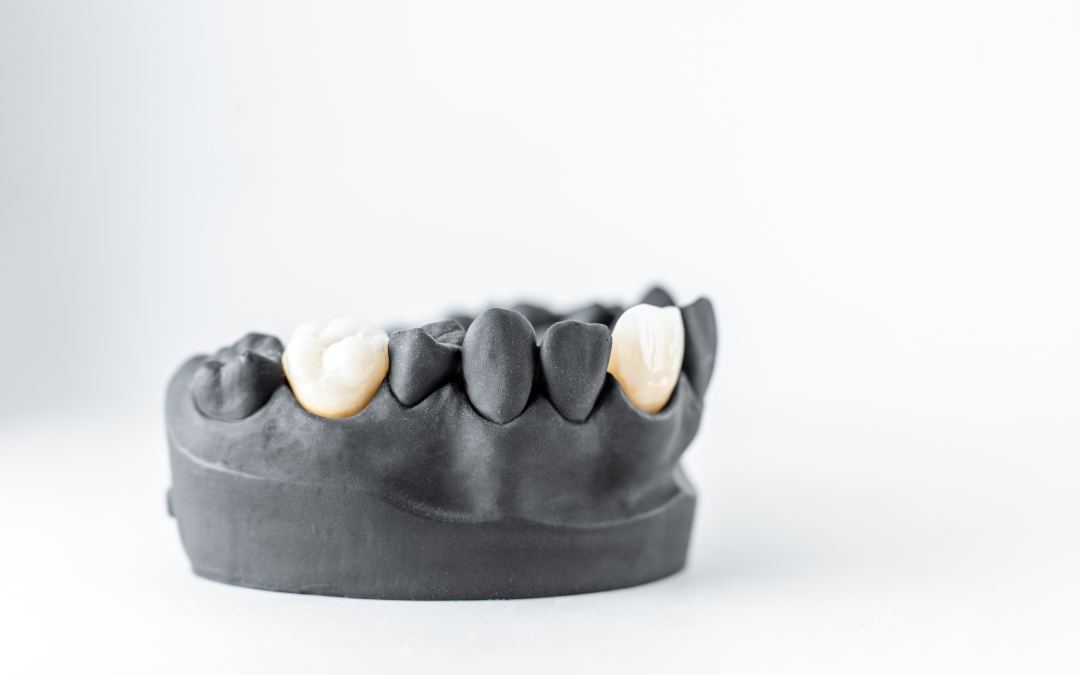
Dental crowns play an important role in protecting teeth that have been weakened by decay, cracks, or extensive dental work. Once placed, a crown acts like a protective cover, allowing the tooth to function normally while improving its overall appearance. Many patients assume that crowns last forever—but that isn’t always the case.
Over time, changes in your oral health, daily habits, or even normal wear can make crown removal necessary. While the idea of removing a crown may sound uncomfortable, it’s actually a routine dental procedure when handled by a trained professional.
Knowing why a crown might need to be removed—and what the process involves—can help reduce anxiety and make treatment decisions feel much easier.
Patients exploring dental crowns in Phoenix often ask whether removing a crown puts their natural tooth at risk. With today’s dental technology and careful techniques, dentists can remove crowns while keeping the underlying tooth structure well protected.
When Is Dental Crown Removal Needed?
There isn’t just one reason a crown may need to come off. In many cases, the issue lies beneath the surface.
One common reason is decay forming underneath the crown. Even though a crown covers the tooth, bacteria can still enter through the edges over time. If this happens, the crown must be removed so the decay can be treated properly.
Crowns can also become damaged. Years of chewing, grinding, or biting down on hard foods may cause cracks or loosening. When a crown no longer offers full protection, replacement is often the best option.
Another situation involves discomfort. If a crown feels too high, irritates the gums, or throws off your bite, it can affect surrounding teeth and jaw comfort. This is often when patients seek help from a Phoenix dentist to evaluate whether removal and replacement are necessary.
What Actually Happens During Crown Removal?
The process starts with a close examination of the tooth, crown, and surrounding area. X-rays may be taken to check the condition of the natural tooth underneath the crown.
Before anything is done, the area is numbed with local anesthesia to keep you comfortable. Most patients feel pressure during the procedure but not pain.
To remove the crown, the dentist carefully works to break the bond holding it in place. In some cases, the crown can be loosened and lifted off. If it’s firmly attached, the dentist may gently divide the crown into sections so it can be removed without stressing the tooth.
Once the crown is off, the tooth is thoroughly checked for decay, cracks, or infection. This step helps determine what treatment is needed next.
What Comes After the Crown Is Removed?
If the tooth is healthy, a temporary crown is often placed to protect it while a new one is being made. This keeps the tooth safe and prevents sensitivity.
If problems are found—such as decay or infection—those issues are treated first. After the tooth is stable, a new crown can be placed to restore strength, comfort, and appearance.
This step-by-step approach helps ensure long-term success, especially when replacing older dental crowns in Phoenix.
Is Crown Removal Painful?
Most patients are relieved to learn that crown removal is generally very manageable. Modern numbing techniques and precise tools help keep discomfort to a minimum. Some mild sensitivity afterward is normal but usually short-lived.
Frequently Asked Questions
Can a crown be reused once it’s removed?
In most cases, no. Crowns are often altered during removal or no longer fit properly afterward.
How long does the procedure take?
Crown removal typically takes under an hour, depending on how the crown was placed.
Will my natural tooth be damaged?
Dentists use techniques specifically designed to protect the tooth underneath the crown.
What happens if decay is found?
The decay will be treated before a new crown is placed to prevent future problems.
Do all crowns need to be cut off?
Not always. Some can be removed intact, depending on the material and bonding method.
Final Thoughts
Dental crown removal is a common and safe procedure when performed by an experienced dentist. Whether the issue is decay, damage, or discomfort, addressing the problem early helps protect your natural tooth and overall oral health.
If you’re noticing changes in how your crown feels or have concerns about an existing restoration, schedule an appointment with your dentist today to keep your smile healthy and comfortable for the long term.