
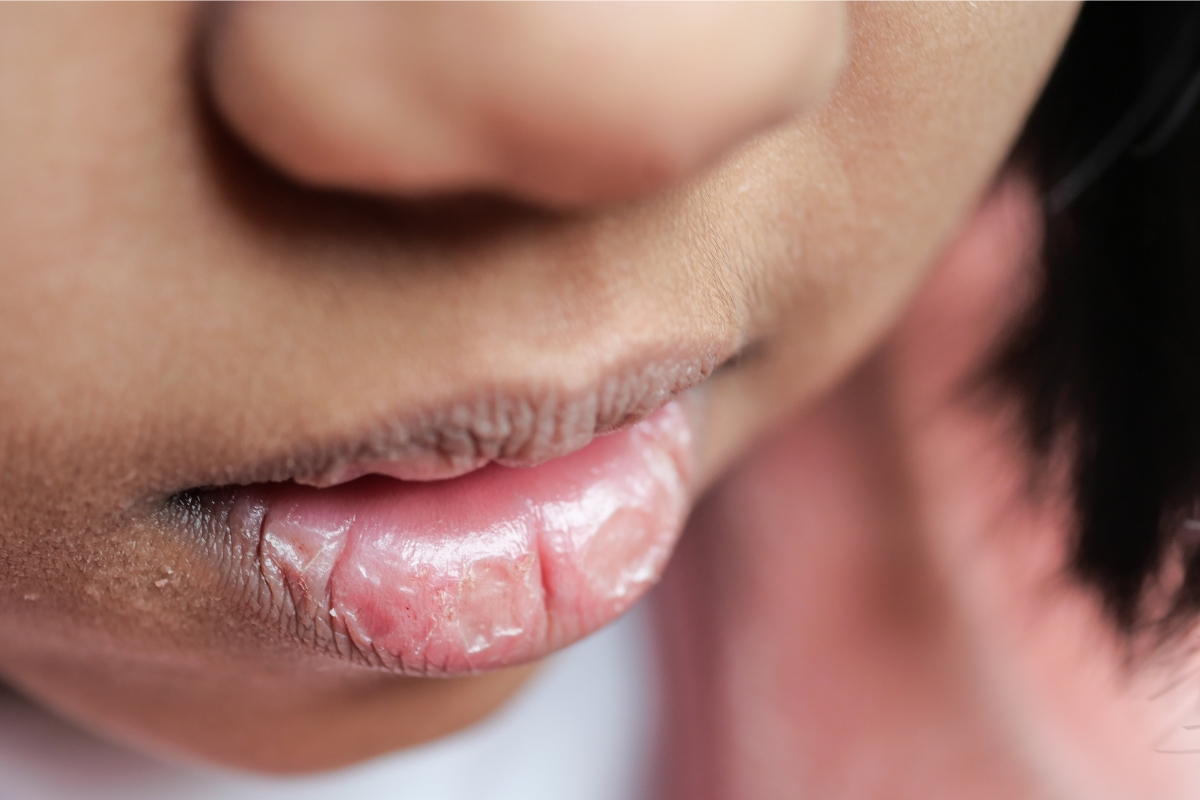
Dry mouth—medically known as xerostomia—occurs when your salivary glands don’t produce enough saliva to keep your mouth moist. Since saliva plays an essential role in washing away food debris, neutralizing plaque acids, and supporting digestion, low saliva levels can leave your mouth feeling parched, sticky, and uncomfortable. Many people also experience trouble speaking, chewing, swallowing, or even tasting their food when dryness becomes persistent.
Below is an in-depth, fully rewritten and detailed guide designed to help you understand why dry mouth happens and how the right foods, hydration habits, and lifestyle choices can bring meaningful relief.
Understanding Dry Mouth and Its Symptoms
Dry mouth isn’t just a minor inconvenience—it’s an oral health concern that can escalate if left unaddressed. You may notice:
-
Constant dryness or thirst
-
A sticky or rough sensation on the tongue
-
Difficulty tasting, smelling, or swallowing
-
Cracked lips or a dry, fissured tongue
-
Mouth sores or irritation
-
Hoarseness, scratchy throat, or changes in voice tone
-
A burning feeling in the mouth
-
Increased plaque buildup and cavity risk
When saliva levels drop, bacteria thrive more easily, and your mouth becomes more vulnerable to decay, gum inflammation, and infections.
Common Causes of Dry Mouth
Several factors can interfere with normal saliva production:
Medications
Hundreds of prescription and over-the-counter medications list dry mouth as a side effect, including:
-
Antidepressants
-
Antihistamines
-
Diuretics
-
Blood pressure medications
-
Decongestants
-
Allergy medications
Dehydration
Insufficient daily fluid intake can directly reduce saliva flow.
Medical Conditions
Certain health issues can impair salivary gland function, especially:
-
Diabetes
-
Autoimmune disorders like Sjögren’s syndrome
-
Thyroid disorders
-
Anxiety or stress
Age
Natural changes in salivary gland efficiency occur with age, making adults over 60 more prone to dryness.
Lifestyle Habits
-
Smoking or chewing tobacco
-
Alcohol consumption
-
Mouth breathing—especially during sleep
If your symptoms are ongoing, consulting a dentist in Phoenix, AZ can help pinpoint the root cause and determine the best management plan.
Why Hydration Matters for Dry Mouth Relief
Water is the foundation of saliva. When your body lacks fluids, the quality and quantity of saliva drop dramatically. Staying hydrated helps:
-
Regulate saliva production
-
Rinse away leftover food particles
-
Maintain a balanced pH level inside your mouth
-
Reduce risk of tooth decay and bacterial overgrowth
How Much Water Should You Drink?
The classic recommendation is eight 8-ounce glasses of water daily, but needs vary based on activity level, climate, and health. People with dry mouth may benefit from sipping water frequently rather than drinking only at meals.
Easy Ways to Boost Your Fluid Intake
-
Add natural flavors like mint, berries, or citrus slices
-
Drink unsweetened herbal teas throughout the day
-
Keep a reusable water bottle nearby
-
Snack on hydrating fruits and vegetables
-
Set reminders to drink water regularly
Top 10 Foods That Naturally Soothe Dry Mouth
What you eat has a substantial impact on saliva production and moisture levels in your mouth. These foods hydrate, nourish, and help stimulate saliva flow:
Watermelon
With over 90% water content, watermelon hydrates instantly. Its juicy texture also stimulates saliva, while vitamins A and C support healthy oral tissues.
Cucumbers
Packed with water and electrolytes, cucumbers offer a refreshing, hydrating crunch. Their high mineral content supports overall oral comfort.
Celery
Celery contains around 95% water and encourages chewing, which activates saliva glands. It also helps scrub away plaque naturally.
Leafy Greens
Spinach, kale, and romaine lettuce offer hydration plus vitamin A, which keeps your mouth’s mucous membranes healthy and moisturized.
Yogurt
Plain yogurt with probiotics supports both gut and oral health. Probiotics can help balance mouth bacteria and potentially reduce dryness-related irritation.
Warm Soups & Broths
Hydrating and soothing, broths replace lost fluids and electrolytes. They’re especially beneficial if chewing dry foods feels difficult.
Unsalted Nuts
Almonds, walnuts, and cashews require chewing—triggering saliva flow. Choose unsalted options to avoid irritation.
Apples & Pears
Their crunchy texture encourages saliva production, while their high water content slowly releases moisture to keep your mouth comfortable longer.
Sugar-Free Gum
Gum sweetened with xylitol is especially helpful. Xylitol helps reduce cavity-causing bacteria and stimulates saliva naturally.
Unsweetened Herbal Tea
Chamomile, peppermint, and ginger teas hydrate while soothing the tissues inside your mouth. Avoid teas with added sugar, which worsen dryness.
Additional Dietary Tips for Managing Dry Mouth
Small dietary adjustments can make a noticeable difference:
-
Avoid dry, crumbly foods like crackers or cookies
-
Limit salty foods that draw moisture out
-
Reduce caffeine and alcohol, which can dehydrate
-
Opt for soft foods if chewing is uncomfortable
-
Use sugar-free lozenges with xylitol for moisture and fresh breath
Natural Remedies That May Help
These options can complement your diet and hydration routine:
Sialagogues (Saliva-Stimulating Medications)
Some prescription medications help stimulate saliva flow. Your dentist can explain whether these options are suitable for you.
Oral Moisturizing Gels & Sprays
These products leave a protective coating that temporarily relieves dryness, especially at night.
Habit Changes
-
Quit smoking and avoid tobacco
-
Sleep with a humidifier
-
Practice breathing through your nose instead of your mouth
-
Reduce stress to support gland function
Protecting Your Oral Health with Dry Mouth
Dry mouth can accelerate dental issues, so consistent oral hygiene is essential:
-
Brush twice daily with a gentle, non-irritating toothpaste
-
Use alcohol-free mouthwash to avoid worsening dryness
-
Floss daily to prevent plaque buildup
-
Schedule regular checkups with a dentist near Phoenix
-
Ask your dentist about fluoride treatments for extra protection
Your Path to Long-Term Dry Mouth Relief
Managing dry mouth takes a combination of hydration, nutrition, and healthy habits. By prioritizing water-rich foods, maintaining consistent oral hygiene, and knowing when to seek professional care, you can keep your mouth comfortable and protect your long-term oral health.
If your symptoms persist or begin to interfere with everyday activities, scheduling a visit with a Phoenix dentist can help uncover underlying issues and provide tailored solutions.
Frequently Asked Questions
Q: Can dry mouth lead to bad breath?
Yes. Without saliva to rinse away bacteria and food particles, odor-causing bacteria multiply more quickly.
Q: What helps dry mouth at night?
- Sipping water before bed
- Using a bedside humidifier
- Trying sugar-free lozenges
- Avoiding caffeine and alcohol before sleep
Q. How can I sleep better with dry mouth?
Stay hydrated throughout the day, keep your room humid, and avoid foods or drinks that cause dehydration. A dentist can also recommend products designed to keep your mouth moist overnight.