
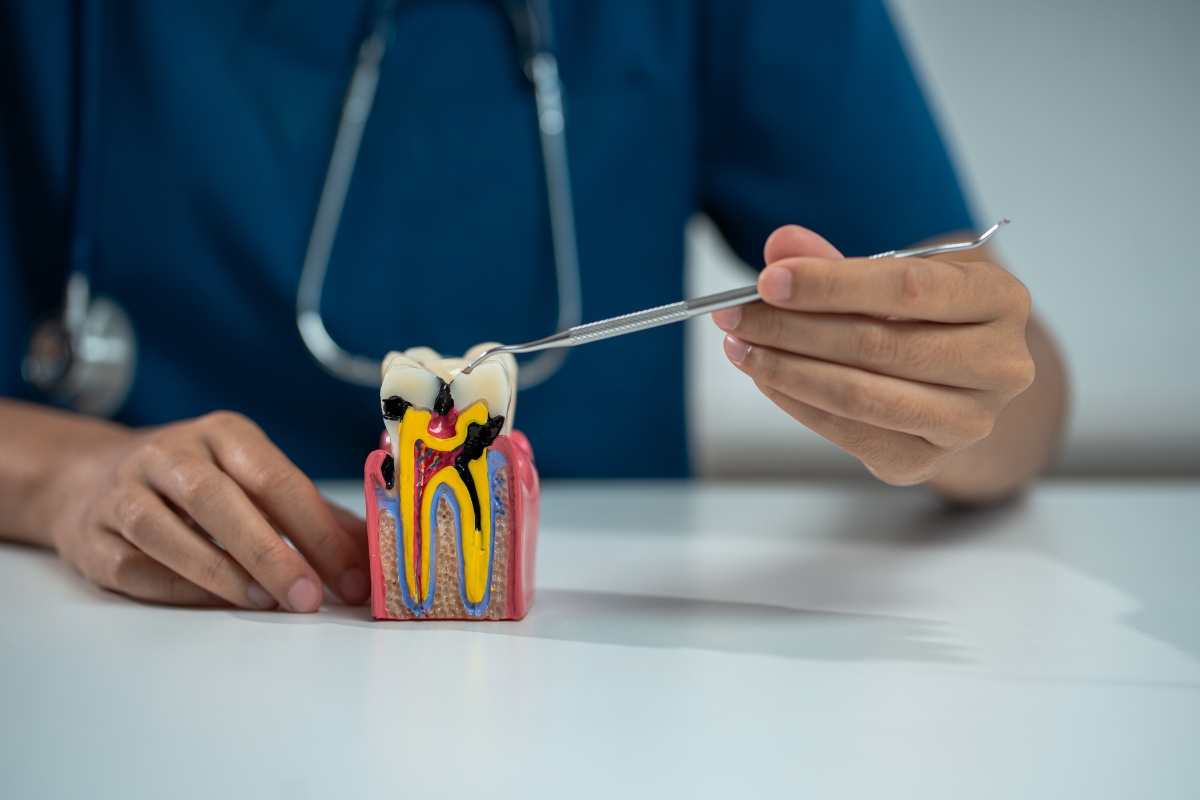
Finding the root cause of chronic health problems can sometimes feel like solving an endless puzzle. You may have visited multiple doctors, tried different treatments, and still not found relief. But what if the underlying issue isn’t elsewhere in your body, but inside your mouth? Surprisingly, root canals — a common dental procedure — have become a topic of debate when it comes to their potential link to systemic health issues. Let’s uncover what might really be happening beneath the surface.
Why Can a Root Canal Cause Trouble?
Root canal treatment is designed to save a damaged or infected tooth by removing the diseased pulp and sealing the inside of the tooth. However, despite its goal to stop infection, some teeth may still retain traces of bacteria deep within their root canals.
When bacteria remain trapped, they can lead to a “failed root canal” or a lingering infection that continues to release toxins into the body. Some researchers suggest that these hidden infections might contribute to inflammation and chronic conditions elsewhere in the body.
It’s worth noting, though, that not every root canal leads to complications. For many people, this treatment works exactly as intended — providing relief and preserving the natural tooth. Still, understanding potential risks helps patients make informed decisions about their oral and overall health.
Possible Complications from Root Canal Treatment
Although most root canals are successful, a few cases may develop complications such as:
- Persistent Infection: Sometimes, bacteria survive deep within the root, leading to continued inflammation or pain even after the procedure.
- Abscess Formation: If the infection is not fully cleared, a pus-filled abscess can form, causing swelling, tenderness, and discomfort.
- Reinfection: Poor oral hygiene or cracks in the restored tooth can allow new bacteria to enter, causing reinfection.
- Bone Loss: Long-term untreated infections can potentially damage the jawbone surrounding the affected tooth.
- Systemic Effects: Some individuals report fatigue, joint pain, or general inflammation, possibly linked to unresolved oral infections — though scientific evidence remains limited on this connection.
It’s crucial to discuss any lingering pain or unusual symptoms with your dentist or endodontist to ensure timely treatment.
Treating Root Canal Infections
If you suspect a root canal infection, the first step is to see an endodontist — a specialist in treating dental pulp and root issues. The dentist may recommend one of the following options:
-
Root Canal Retreatment: Cleaning and resealing the root canal if bacteria have re-entered.
-
Apicoectomy (Root-End Surgery): Removing the tip of the tooth root and surrounding infection.
-
Tooth Extraction: In severe or recurring cases, removing the tooth and replacing it with a dental implant or bridge.
After root canal therapy in Phoenix, maintaining excellent oral hygiene is essential. Brush twice daily with fluoride toothpaste, floss regularly, and use an antibacterial mouthwash as recommended. Regular dental visits also help detect early signs of reinfection.
Can Root Canals Lead to Chronic Health Problems?
The debate over whether root canals contribute to systemic illnesses is ongoing. Some holistic practitioners claim that bacteria from root canal-treated teeth can trigger chronic inflammation, while mainstream dental research generally finds no strong evidence of a direct link.
Every individual responds differently, depending on factors like oral hygiene, immune function, and the quality of the dental procedure. If you experience ongoing symptoms such as fatigue, pain, or swelling after a root canal, consult your dentist promptly for evaluation.
How to Avoid the Need for a Root Canal
Preventive care remains the best approach to protect your teeth and overall health. Here’s how you can reduce your risk:
-
Brush and floss regularly to remove plaque buildup.
-
Limit sugary snacks and beverages that promote decay.
-
Visit your dentist every six months for checkups and cleanings.
-
Address cavities or gum infections early to avoid complications.
Taking proactive care of your teeth can help you prevent infections that might otherwise require root canal treatment.
Final Thoughts
Root canal treatments have helped millions preserve their natural teeth and eliminate pain, but no dental procedure is without potential risks. Understanding those risks — and staying alert to any signs of infection or inflammation — allows you to take better control of your oral and overall health.
Your mouth is a gateway to your body’s well-being, so listen to what it’s telling you. Stay proactive, stay informed, and prioritize preventive care to keep your smile — and your health — in great shape.
Frequently Asked Questions
Q: Can root canals cause long-term health problems?
A: While a few experts have raised concerns about a potential connection, current scientific evidence does not confirm that root canals directly cause chronic health conditions. Each case should be evaluated individually.
Q: How do dentists treat infected root canals?
A: Treatment involves removing the infected tissue, disinfecting the root canal, and sealing it to prevent reinfection. In some cases, retreatment or surgical procedures may be necessary.
Q: Are there alternatives to root canal therapy?
A: If saving the tooth isn’t possible, extraction followed by a dental implant or bridge may be considered. Discuss all possible options with your dentist.
Q: How can I keep my teeth healthy and avoid needing a root canal?
A: Maintain consistent oral hygiene, eat a balanced diet, and schedule regular visits to your dentist Phoenix for preventive care.