
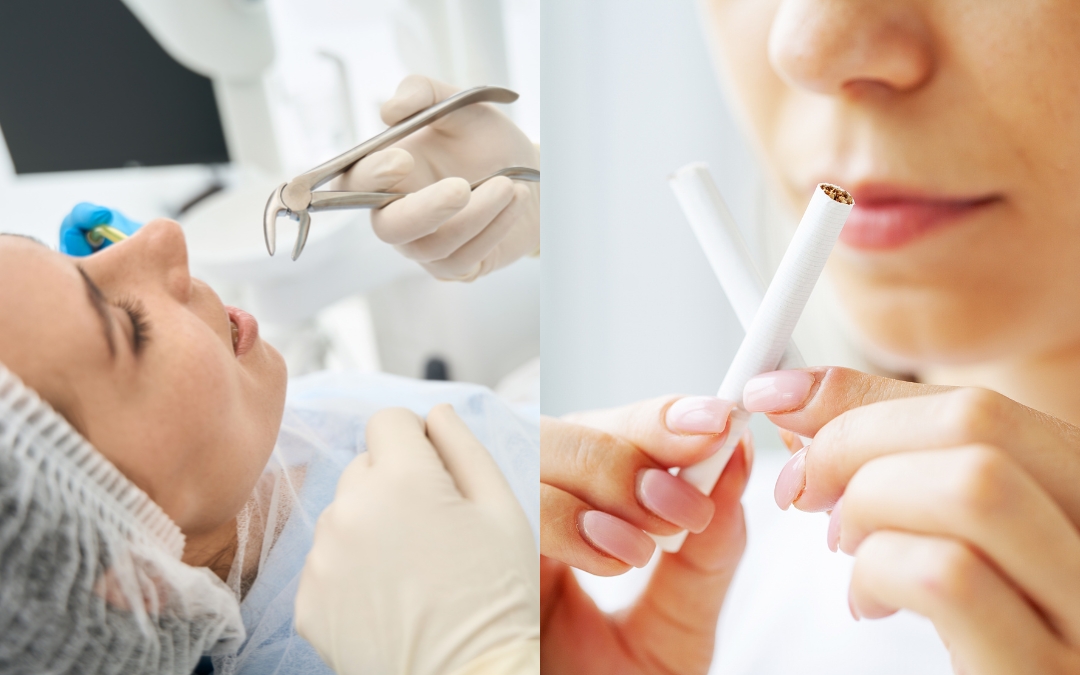
Getting a tooth pulled is never exactly fun, but for most people, the real concern starts afterward—especially if you smoke. One of the most common questions patients ask is whether it’s okay to light up while the gauze is still in place. The short answer? It’s not a good idea, and even a small delay can make a big difference in how well you heal.
Right after an extraction, your dentist places a piece of gauze over the area. This isn’t just to stop bleeding—it also helps your body form a blood clot where the tooth used to be. That clot is incredibly important. It protects the exposed bone and nerves and acts as the foundation for proper healing.
If you’ve undergone a procedure like oral surgery in Phoenix, protecting that clot becomes even more important. The first couple of days are when your mouth is most sensitive, and small mistakes during this time can lead to unnecessary pain or delays in healing.
Why Smoking Can Cause Problems
Smoking might feel like a normal part of your routine, but after a tooth extraction, it can interfere with healing in several ways.
First, there’s the risk of dry socket. This happens when the blood clot gets dislodged or doesn’t form properly. Smoking increases this risk because of the suction created when you inhale. Once that clot is gone, the area is left exposed, which can be quite painful.
Nicotine is another issue. It narrows your blood vessels, which reduces blood flow to the area. That means less oxygen and fewer nutrients reach the wound, slowing down the healing process.
There’s also the matter of bacteria and chemicals. Smoke carries irritants that can aggravate the extraction site and make it easier for infection to develop.
Does Gauze Make Smoking Safer?
It’s easy to assume that keeping gauze in place offers some protection—but it really doesn’t. Gauze helps control bleeding, but it doesn’t shield the area from heat, toxins, or the pressure created when you smoke.
Even with gauze in your mouth, the act of inhaling can still loosen the clot underneath. On top of that, the heat from the smoke can irritate the tissue, making the area more sensitive and prone to complications.
What If You’re Struggling to Avoid It?
Let’s be realistic—quitting, even temporarily, isn’t always easy. But if you can hold off, even for a few days, your mouth will thank you.
Try to wait at least 72 hours before smoking. This gives your body time to stabilize the clot and begin the healing process. The longer you wait, the better your outcome is likely to be.
If cravings are tough to manage, nicotine alternatives like patches or gum may help. They provide nicotine without exposing your mouth to smoke. Just make sure to use them as directed.
Keeping your mouth clean also matters. After the first day, gentle rinsing with warm salt water can help reduce bacteria. Avoid aggressive swishing, though—you don’t want to disturb the healing area.
If you’re unsure about what’s safe for you, it’s always best to check with a dentist in phoenix who can guide you based on your specific situation.
Final Thoughts
Smoking while wearing gauze after a tooth extraction isn’t worth the risk. It can slow down healing, increase pain, and lead to complications that are much harder to deal with later.
Taking a short break from smoking might feel inconvenient, but it gives your body the chance to heal properly. In the long run, that small pause can save you from a lot of discomfort.
Frequently Asked Questions
How soon can I smoke after a tooth extraction?
It’s best to wait at least 72 hours. Waiting longer—closer to a week—can further reduce your risk of complications.
Will gauze protect the area if I smoke?
A: No, gauze only helps with bleeding. It doesn’t prevent the effects of suction or heat from smoking.
Is vaping a better option?
Not really. Vaping still involves suction and can irritate the extraction site, so it’s best avoided during healing.
What can I do to deal with cravings?
Nicotine patches, gum, staying hydrated, and keeping yourself busy can all help reduce the urge to smoke.
What happens if I smoke too early?
You could develop dry socket, experience more pain, or delay the healing process.
Your recovery period is short, but how you care for your mouth during this time matters. If you have questions or want to make sure everything is healing properly, schedule an appointment today.