
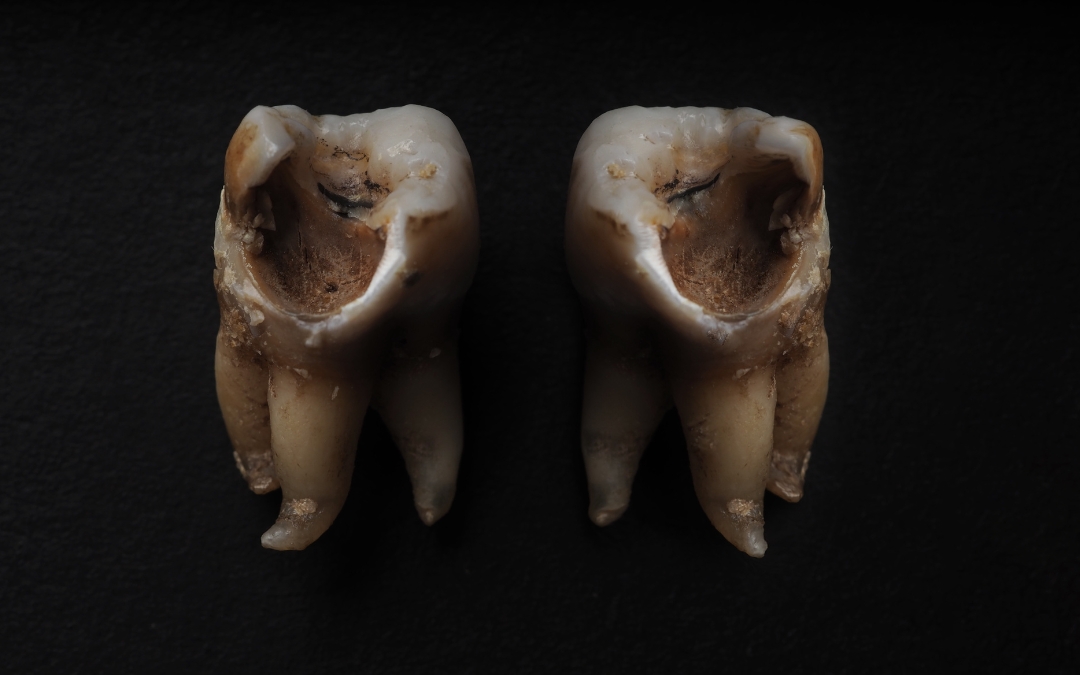
Losing a tooth without warning can be upsetting, especially when the tooth has been badly decayed for a long time. Some people feel immediate relief because the pressure or pain disappears, while others feel nervous about what happens next. Even if the discomfort fades, a missing tooth should never be ignored. The area left behind can become infected, and the surrounding teeth and gums may also be affected if treatment is delayed.
Knowing how to respond after a decayed tooth falls out can make a big difference in protecting your oral health and preventing further problems.
Stay Calm and Take a Look at the Area
The first step is simple — don’t panic. A tooth falling out can feel shocking, but staying calm helps you think clearly about what to do next. Check the area carefully to see if there is active bleeding, swelling, or leftover pieces of the tooth still in the gums.
A small amount of bleeding is common. You can place clean gauze over the area and gently bite down for several minutes. If you don’t have gauze nearby, a damp tea bag can sometimes help slow the bleeding naturally.
Rinse Your Mouth Gently
Once the bleeding settles, rinse your mouth carefully using warm salt water. This helps clean the area and wash away bacteria without being too harsh on sensitive tissue. Avoid strong mouthwashes that contain alcohol because they may irritate the exposed gums and cause additional discomfort.
Try not to poke the area with your tongue or fingers. The gums may already be irritated, and touching the site too much can slow the healing process.
Don’t Wait to Call a Dentist
A decayed tooth usually falls out because the structure has been weakened by infection or severe damage over time. Even if the tooth is gone, the infection may still remain under the gums or around nearby teeth.
That’s why it’s important to contact an emergency dentist Phoenix patients depend on for urgent dental care. A dentist can examine the area, check for infection, and make sure there are no remaining fragments that could create additional problems later.
Getting treatment early can also help protect the surrounding teeth and reduce the risk of future complications.
Save the Tooth If You Still Have It
If the tooth came out completely and you still have it, keep it in a clean container and bring it with you to your appointment. Hold it carefully by the top part of the tooth rather than the root.
In most cases involving severe decay, the tooth cannot be placed back into the mouth. However, your dentist may still want to examine it to better understand the condition of your oral health.
Ease Pain and Swelling at Home
It’s normal to feel soreness or swelling after losing a tooth. Placing a cold compress against the outside of your cheek for short periods can help reduce swelling and make the area feel more comfortable.
If needed, over-the-counter pain relievers may also help. Many people find ibuprofen useful for reducing both pain and inflammation. Avoid placing aspirin directly on the gums because it can irritate the tissue.
Resting and staying hydrated may also help your body recover more comfortably.
Be Careful With What You Eat
After a tooth falls out, the area around the gums may feel tender for a few days. Eating softer foods can help prevent irritation while the tissue heals.
Good options may include:
- Yogurt
- Mashed potatoes
- Scrambled eggs
- Smoothies
- Soup
- Oatmeal
Try to stay away from crunchy chips, hard candy, sticky foods, or anything very hot until the area feels better.
Watch Closely for Signs of Infection
Because decay often involves bacteria and infection, it’s important to pay attention to how the area feels over the next several days.
You should contact an emergency dentist Phoenix residents trust if you notice symptoms such as:
- Swelling that keeps getting worse
- Persistent throbbing pain
- Pus near the gums
- A bad taste in your mouth
- Fever or fatigue
- Difficulty chewing
Ignoring these symptoms can allow the infection to spread deeper into the gums or jawbone.
Replacing the Missing Tooth Matters
Some people assume they can simply leave the space empty after losing a tooth. Unfortunately, missing teeth can affect more than appearance alone. Over time, nearby teeth may begin shifting out of place, which can change your bite and create additional dental concerns.
Your dentist may recommend replacement options such as:
Dental Implants
Dental implants are designed to function like natural teeth and are often considered a long-lasting solution.
Dental Bridges
A bridge fills the gap by using nearby teeth for support.
Partial Dentures
Partial dentures are removable and may work well when several teeth are missing.
The best option depends on your oral health, lifestyle, and long-term dental goals.
Protect Your Remaining Teeth
A tooth that falls out because of decay is often a sign that your mouth needs extra attention moving forward. Daily oral care and regular dental visits can help lower the risk of losing more teeth in the future.
Simple habits can make a major difference, including:
- Brushing twice every day
- Flossing regularly
- Limiting sugary foods and drinks
- Visiting the dentist for routine cleanings
- Treating cavities early before they become severe
Consistent dental care helps keep your teeth and gums healthier over time.
Final Thoughts
A decayed tooth falling out can feel unexpected and stressful, but taking the right steps afterward can help protect your oral health. Cleaning the area, managing discomfort, and seeking professional dental care quickly are all important parts of recovery.
If you are dealing with sudden tooth loss or severe dental discomfort, the team at Thomas Dental is ready to help patients throughout Phoenix with compassionate dental care. Schedule an appointment today to restore your smile and protect your long-term oral health.
Frequently Asked Questions
Is it normal for a decayed tooth to fall out on its own?
Severely damaged teeth can eventually loosen and fall out due to advanced decay or gum disease. Even if this happens naturally, professional dental care is still necessary.
Can a tooth infection remain after the tooth falls out?
Yes. Infection may still exist in the gums, roots, or surrounding bone even after the tooth is gone.
Should I brush around the area after losing a tooth?
Yes, but be gentle. Keeping the mouth clean helps reduce bacteria and supports healing.
How soon should I see a dentist?
It’s best to schedule a dental visit as soon as possible to avoid complications and receive proper treatment.
What happens if I don’t replace the missing tooth?
Over time, nearby teeth may shift, chewing may become difficult, and bone loss can occur in the jaw.
Can a decayed tooth falling out cause serious health problems?
If infection is left untreated, bacteria can spread and potentially affect other areas of the body. Early dental care is always the safest approach.